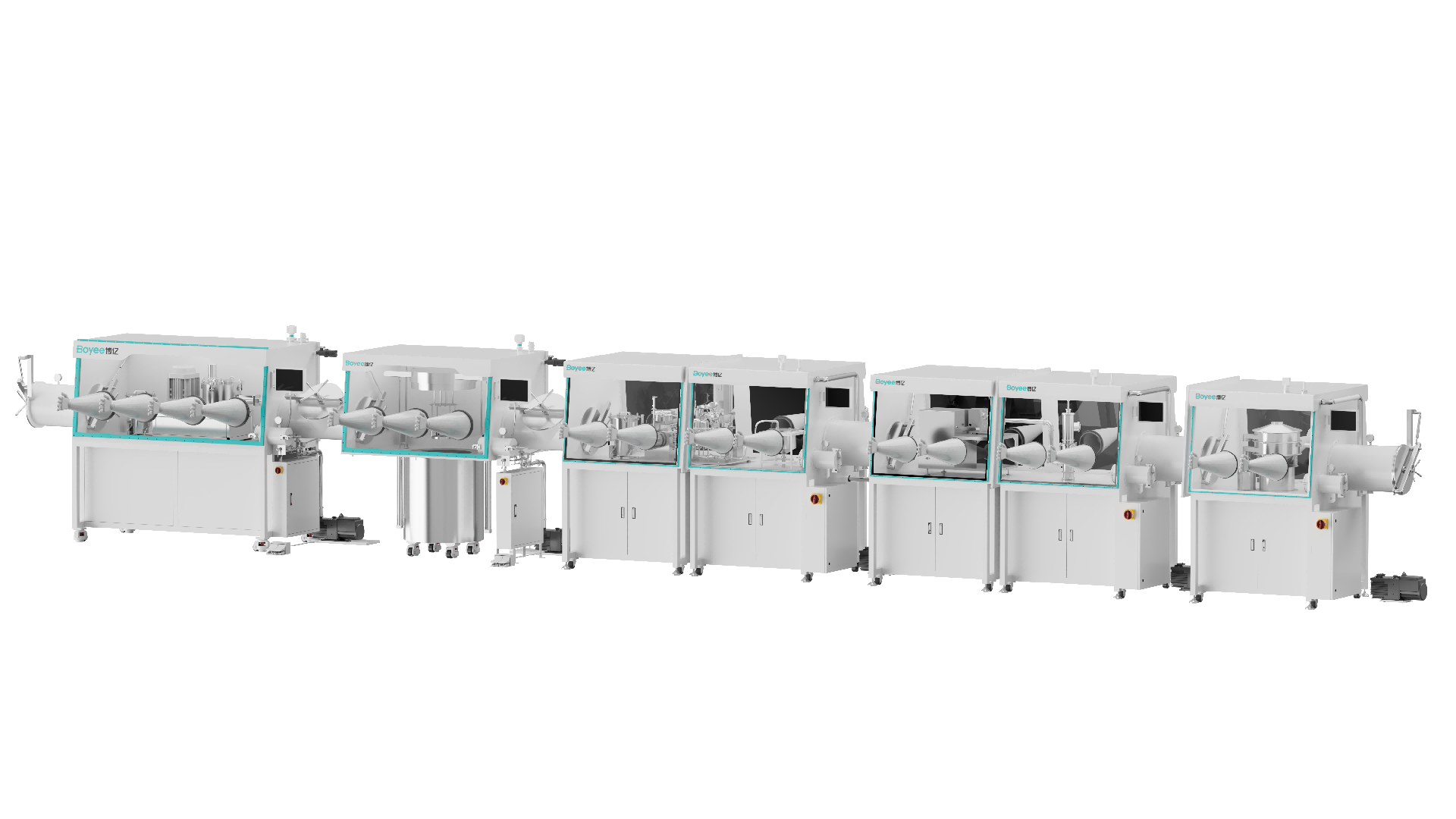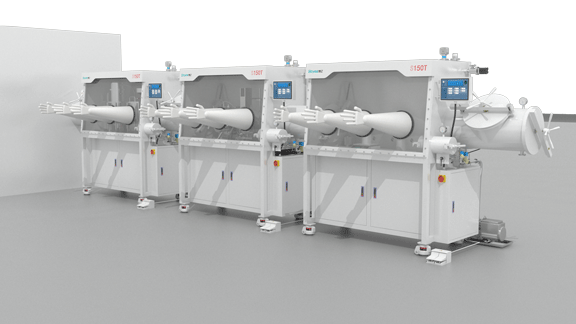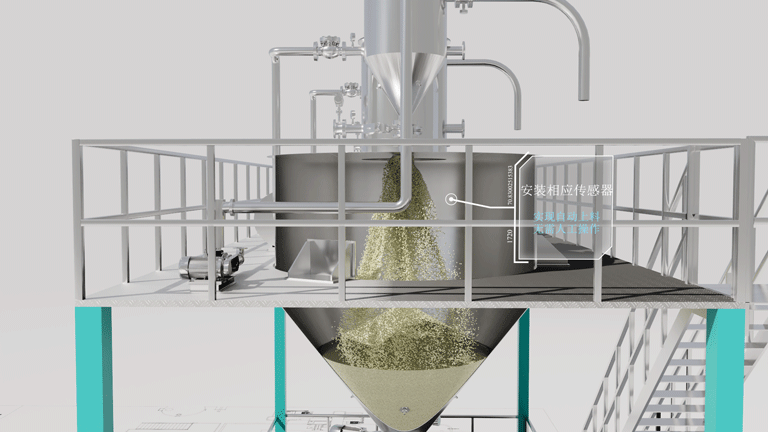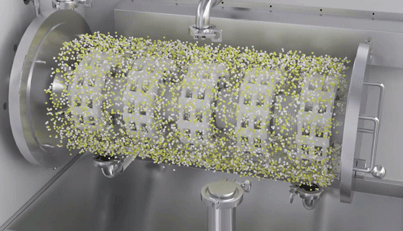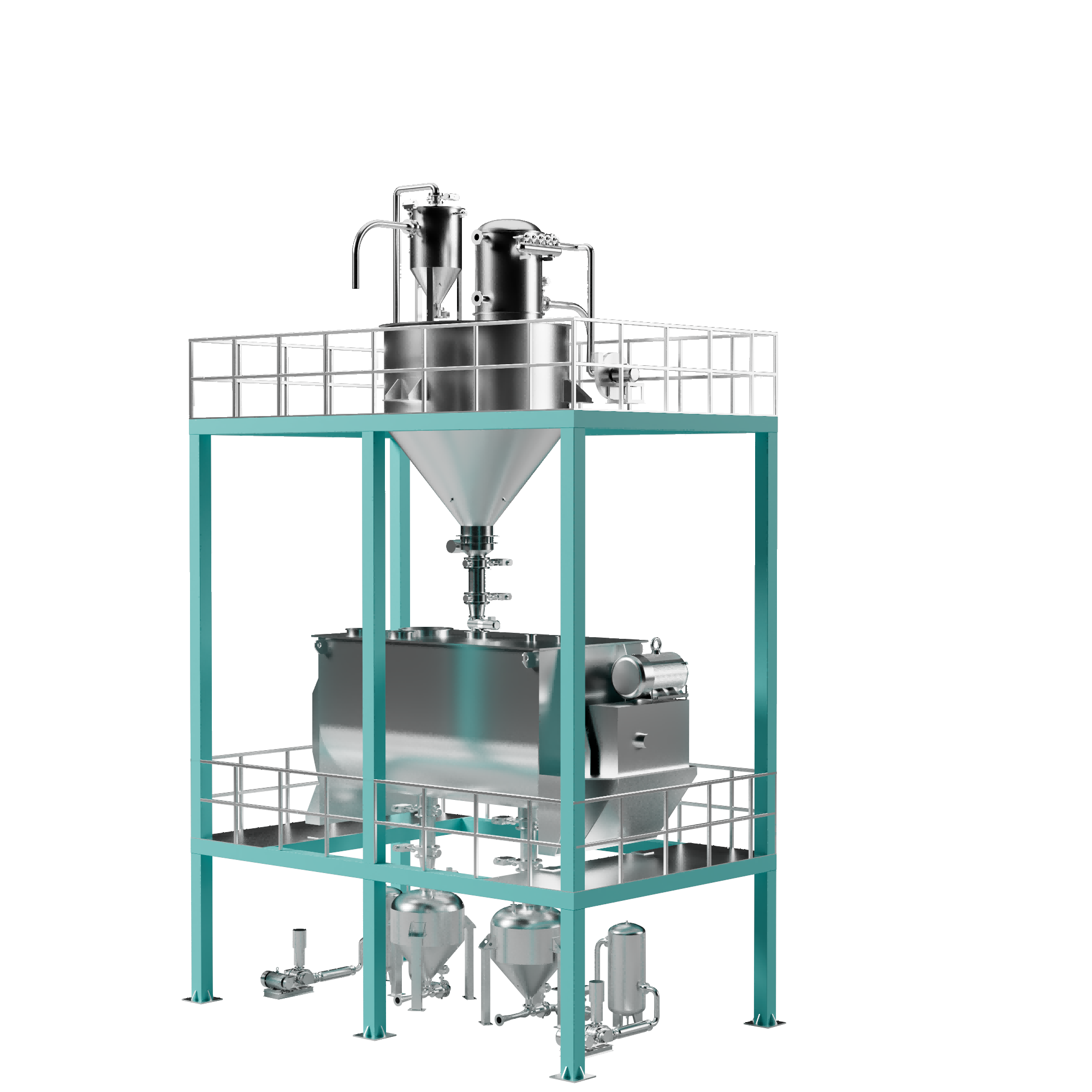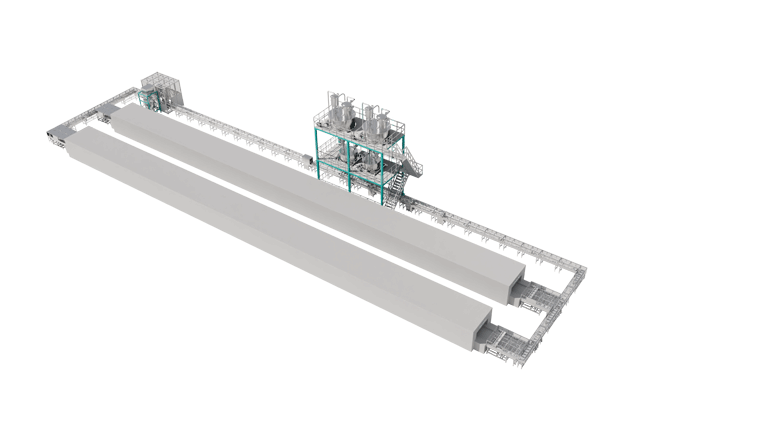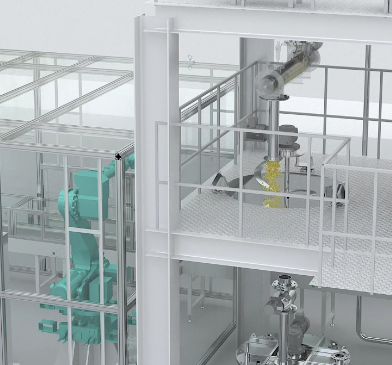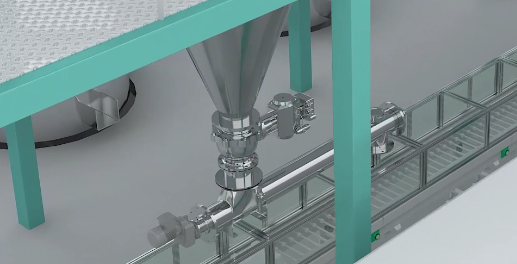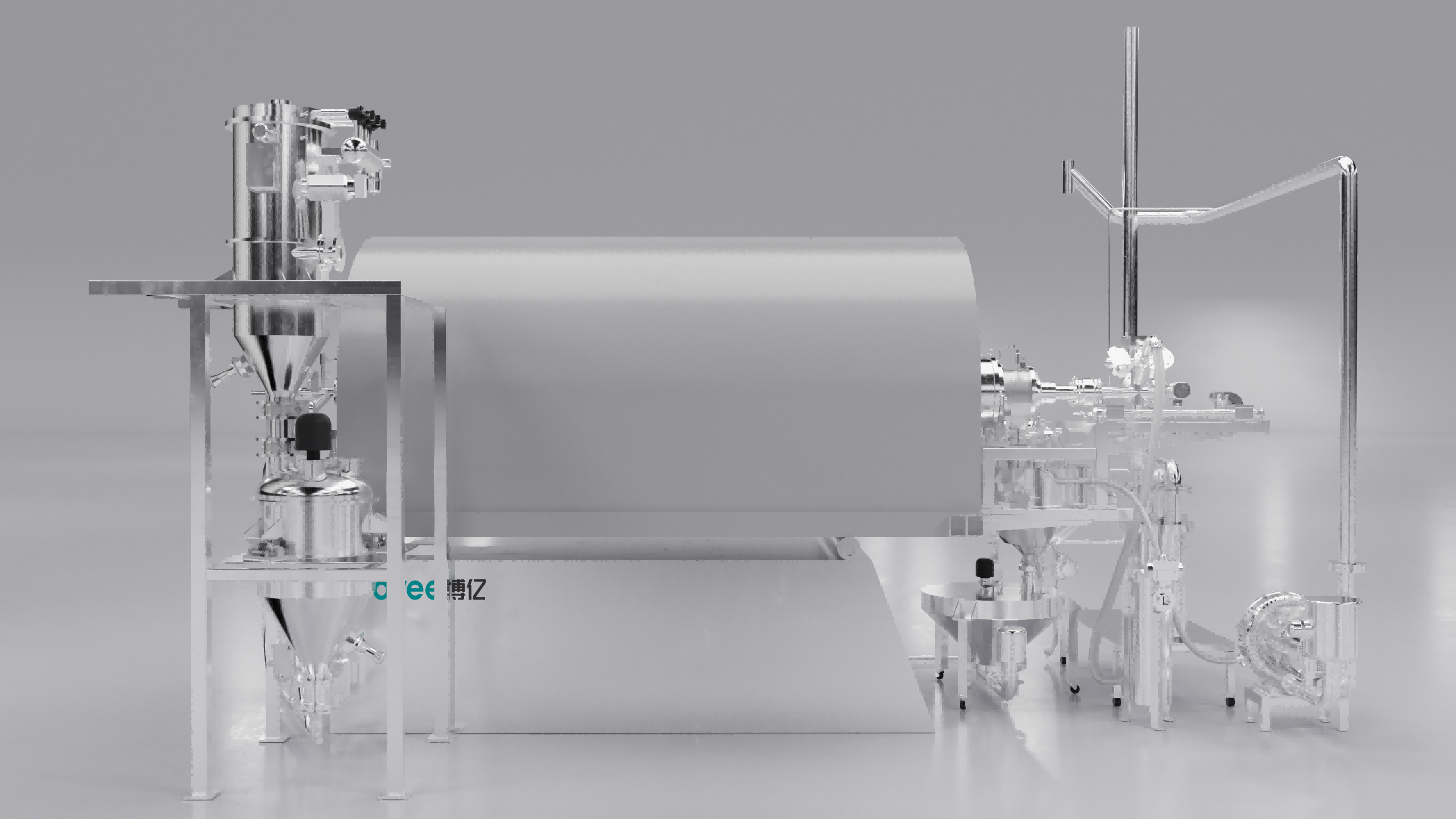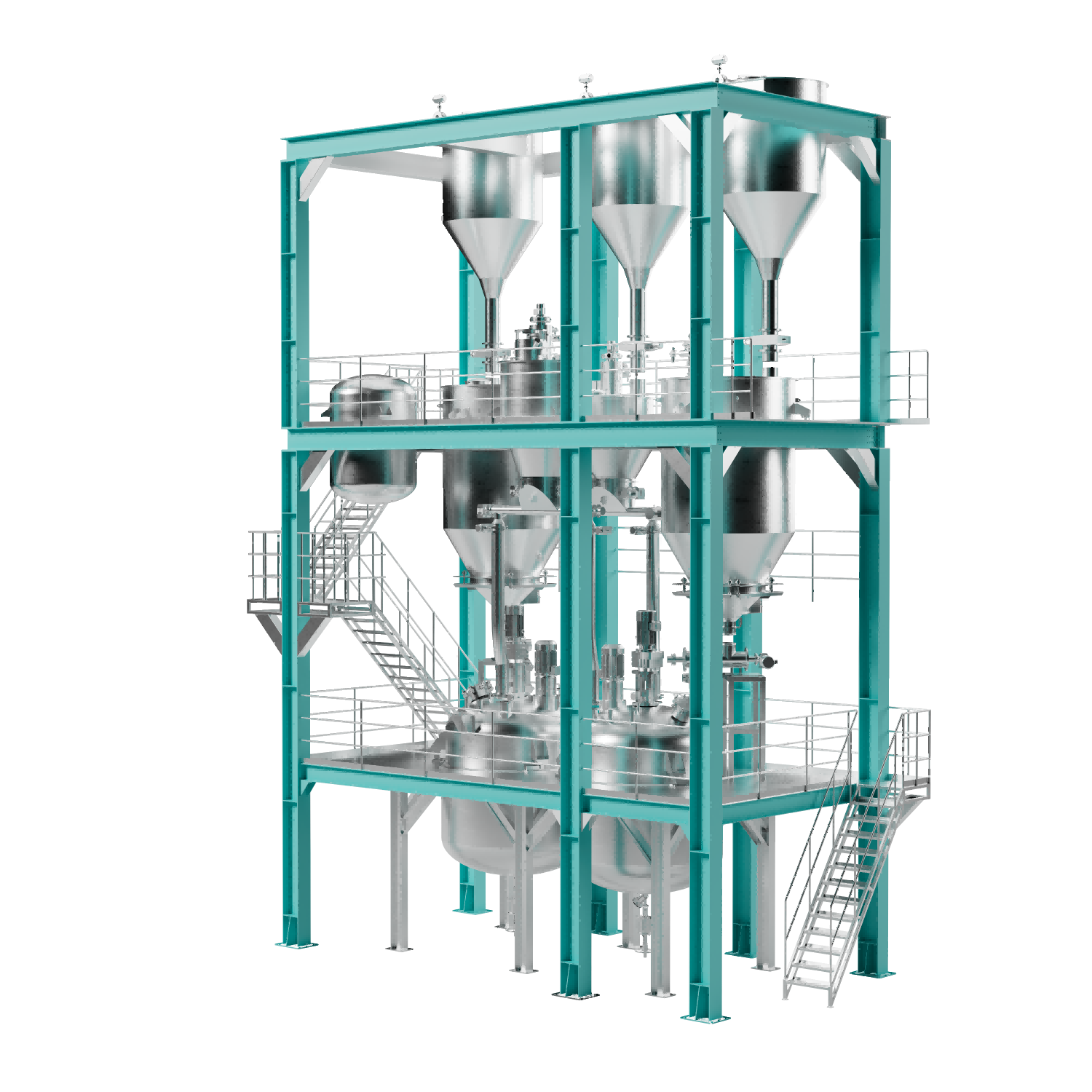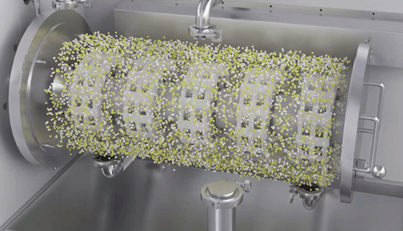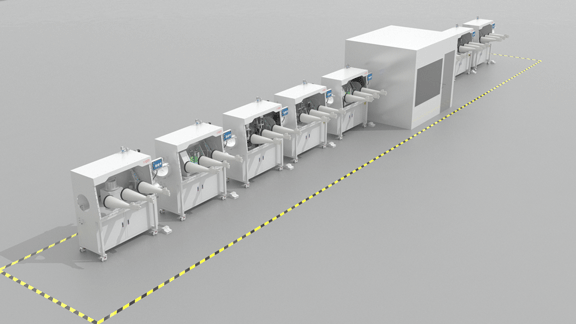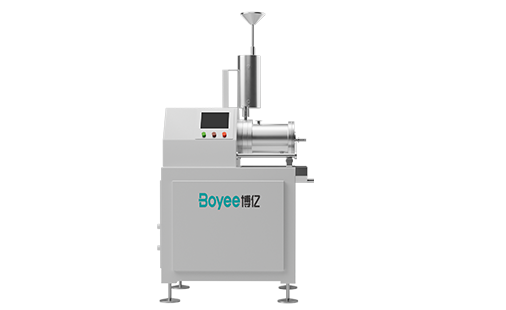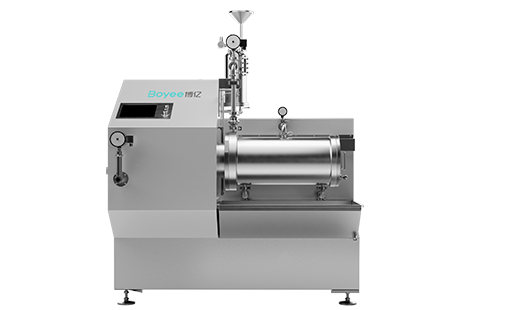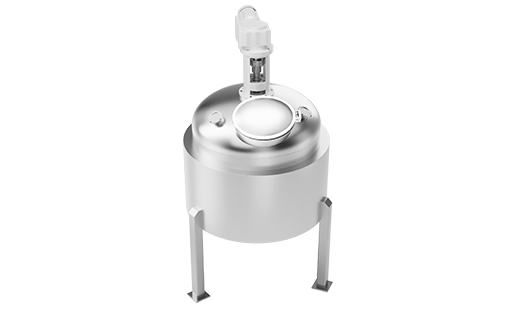















Dual-chamber inert gas protection system, sulfide synthesis oxygen content<1ppm, anti-oxidation efficiency increased by 70%; NMM series sander, designed for nanomaterials, improves grinding efficiency by 30%, reduces energy consumption by 20%, and supports continuous production.
The production line for sulfide solid-state electrolytes is designed with a primary focus on the material's high sensitivity to moisture and oxygen. The entire process requires stringent control measures to ensure a stable and pure production environment.
1. Core Challenge: Material Sensitivity to Moisture and Oxygen
Sulfide solid-state electrolytes readily react with moisture and oxygen. Therefore, it is imperative to isolate these elements throughout the entire production process.
2. Key Environmental Control Strategies
To address this challenge, the following strategies and systems are essential for creating and maintaining a suitable production environment:
Specialized Atmosphere: Implement processes and equipment to establish a production environment with an ultra-low dew point and low oxygen concentration.
Supporting Systems: Utilize high-efficiency dehumidifiers and inert gas protection systems (e.g., argon purging) to strictly control moisture and oxygen levels.
3.Specific Implementation and Isolation Measures
Practical measures to achieve the required environmental control include:
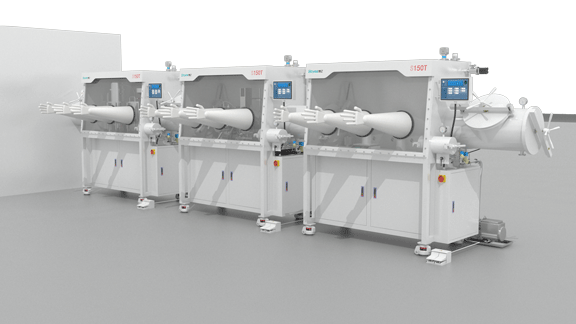
Localized Ultra-Pure Environments: Use inert gas-filled glove boxes to create isolated, safe operation zones for critical process steps.
Macro-Environment Isolation: In mass production lines, install partitioned isolation facilities to physically separate the entire production area from the external environment.
Personnel Protocols: Operators must wear standardized protective gear to prevent contamination from moisture and particulates carried by humans.

Acidic Component Absorption:Weak alkalinesolutionsare usedto absorb acidic toxic components inexhaust gases.
Exhaust Gas Incineration Treatment:Convert taxiccomponentsintolow-toxicity,stable sulfur dioxide through oxidation.
Coating Protection:Special coatings are applied to equipment components to isolate corrosive materials from the base structure.
Material Selection:Equipment components are manufactured using corrosion-resistant materials.
Dispersant Addition:Physical/chemical adsorption on particle surfaces creates steric hindrance or electrostatic repulsion to prevent agglomeration.
High-energy Dispersion:High-energy mechanical forces break agglomerates for efficient particle dispersion.