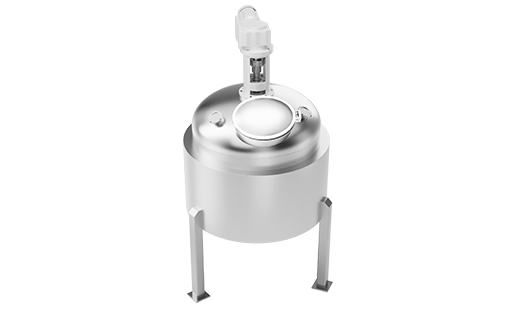















Cvd Silicon Carbon Anode Production Line

CVD Method Silicon-Carbon Anode Production Line Solution
Overview

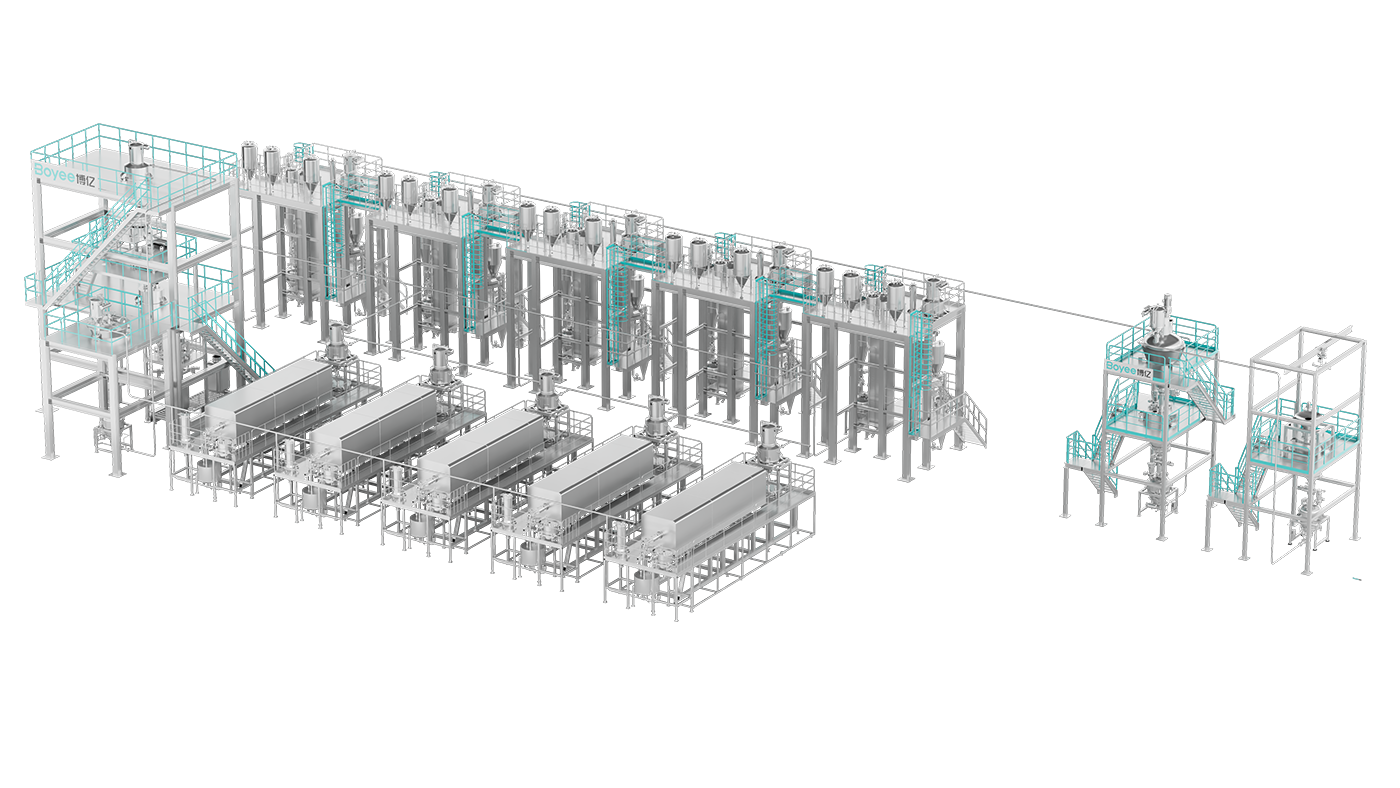
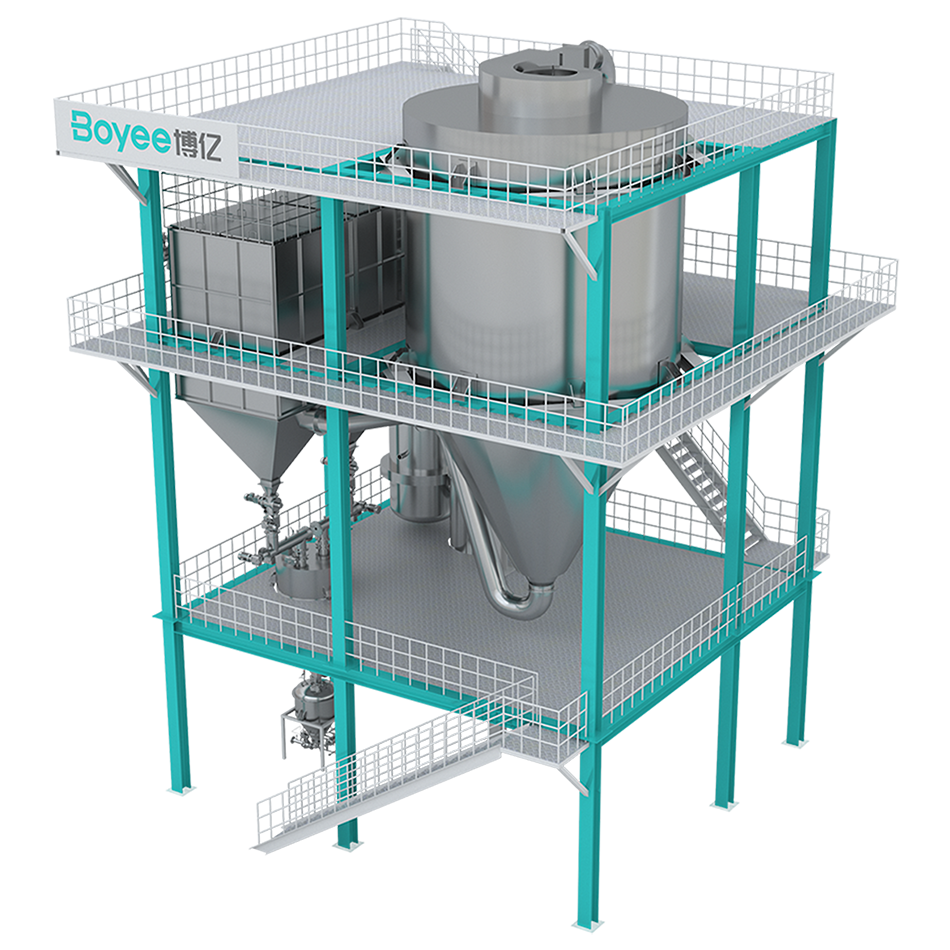
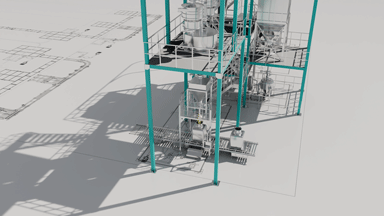
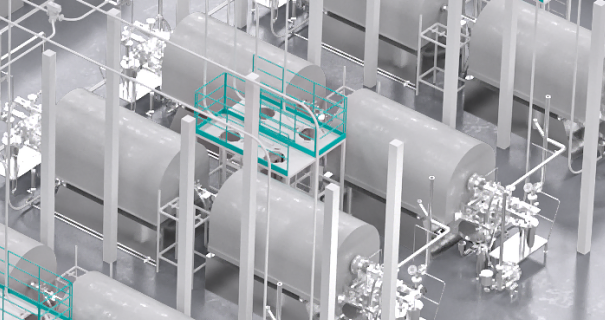
It has realized the fully automatic process from automatic conveying of raw materials, accurate metering, atmosphere protection, high temperature deposition, rapid cooling to coating processing, mixing screening, demagnetizing grading and automatic packaging. With the high-precision metering system, strict atmosphere control, and efficient deposition and coating technology, it ensures the high purity and uniformity of products.

CVD Method Silicon-Carbon  Anode Production Line Solution
Characteristic
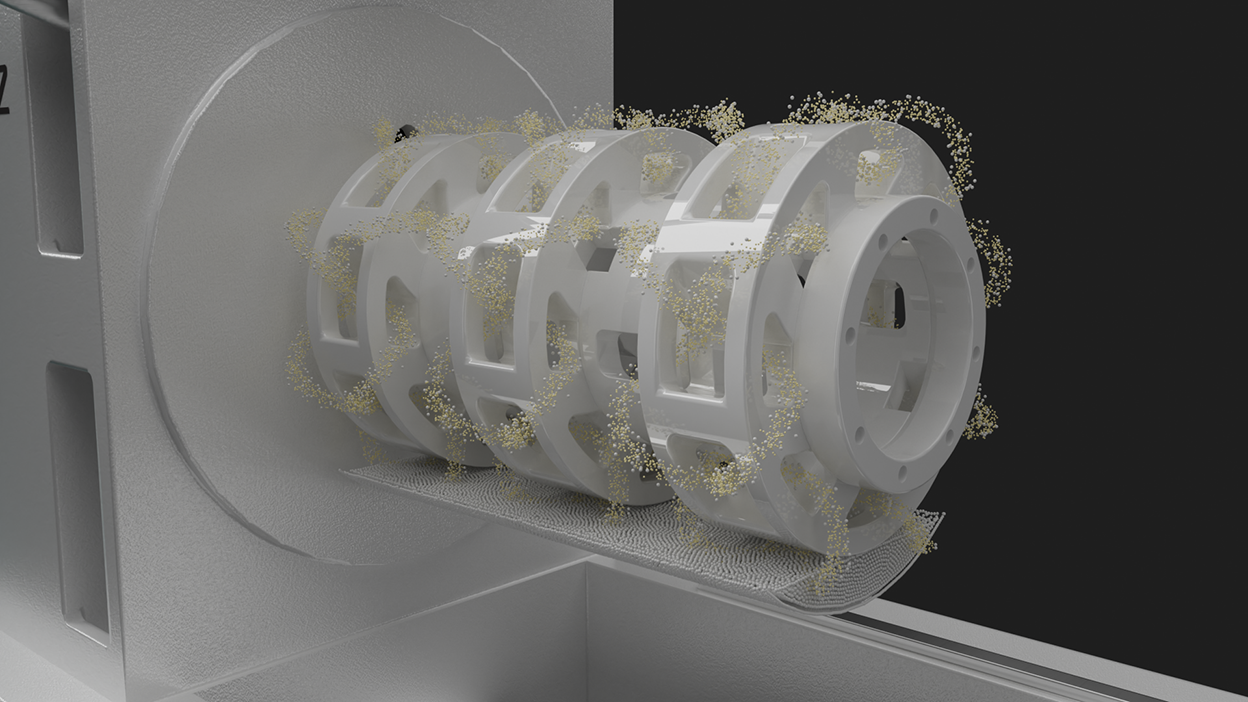
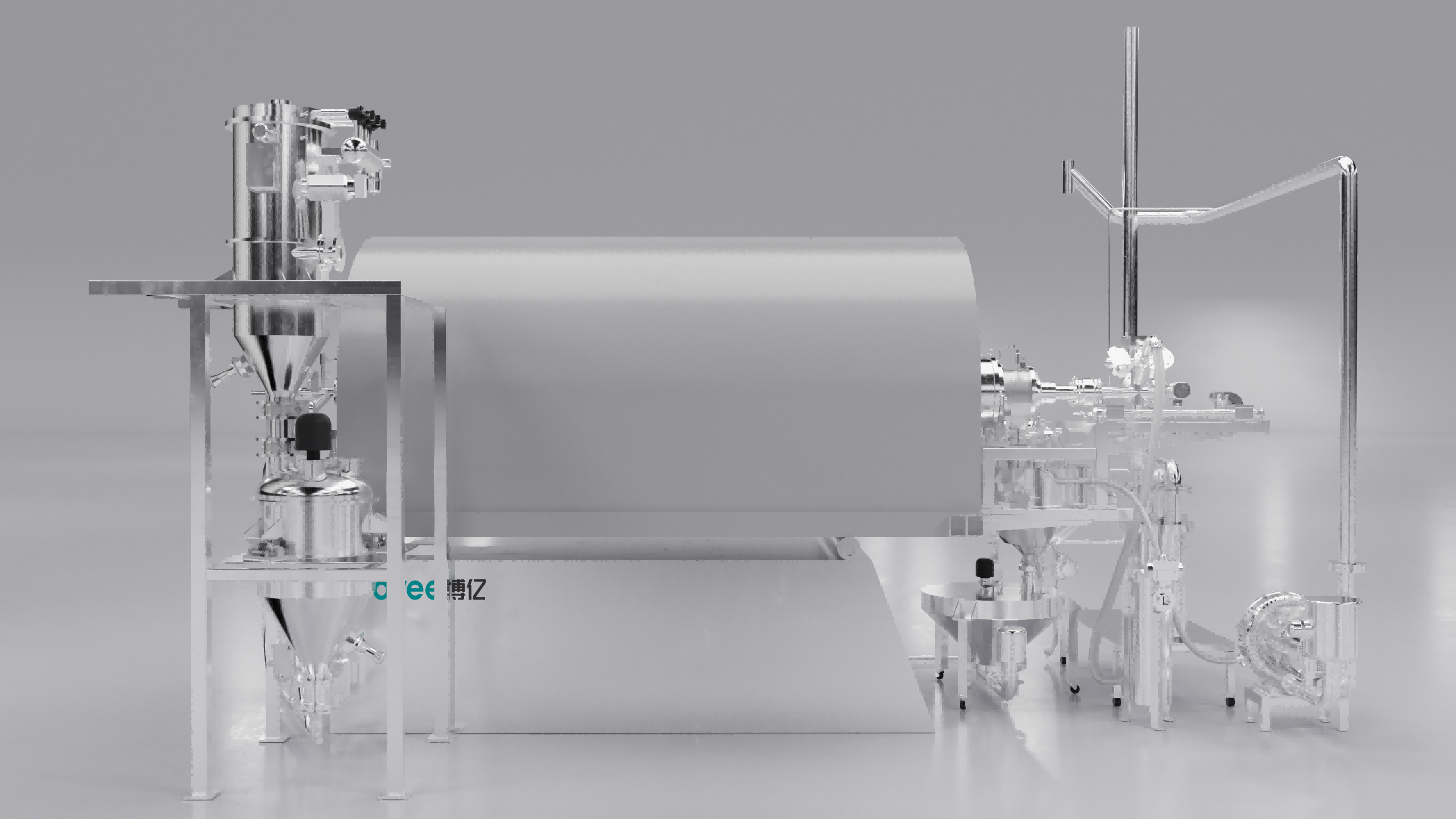
Uniform deposition in rotary furnace, improves carbon coating stability
Intelligent batching system eliminates batch variations and uneven mixing
Exhaust gas treatment reduces material wastage and environmental risks
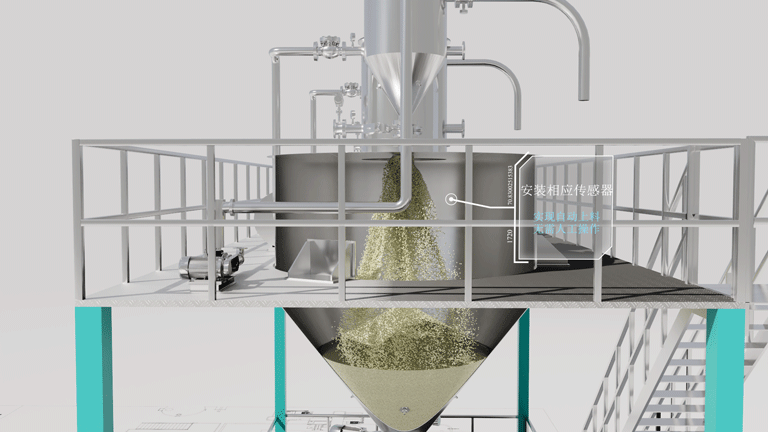
Fluidized bed technology overcomes uneven silane deposition and batch variations
Efficient drying and precise temperature control solve issues of subsequent uneven deposition caused by porous carbon hygroscopic agglomeration and incomplete drying
Working Principle of CVD Silicon - Carbon Anode Production
Porous Carbon Framework Preparation

Use Chemical Vapor Deposition (CVD) to fabricate a porous carbon skeleton.

Silane Deposition of Silicon Nanoparticles

Inside the prepared porous carbon, perform silane - based CVD to uniformly deposit silicon nanoparticles into the pores, fully utilizing the internal space for homogeneous distribution.

Carbon Layer Coating

Apply a carbon coating to the silicon - loaded porous carbon to improve the energy density of the silicon - carbon anode.

Main craft
Unpacking&Feeding
1
Measuring Bin
2
Air Replacement Bin(Can be Equipmented With Drying Fuction)
3
Fluidized Bed
4
Cooling Bin
5
Measuring Bin
6
Rotary Furnace
7
Mixing
8
Demagnetizing
9
Screening
10
Packaging
11
Deposition Uniformity Optimization

①Multi-layer reactor design: Adjust reactor angles and optimize gas distribution to achieve uniform silicon deposition; ②Temperature control to avoid local variation: Precisely regulate temperature during deposition to prevent localized overheating, which may lead to non-uniform deposition.

Carbon Coating Stability Enhancement

①Synergistic effect of acetylene for improved coating integrity: First, form an initial coating via vapor deposition, followed by acetylene treatment to enhance carbon coverage;② Optimization of coating process parameters: Adjust temperature, duration, and atmosphere conditions during coating to ensure uniform decomposition and deposition of the carbon precursor on silicon particles, forming a dense and stable carbon layer;③ Pre-treatment and purity control of carbon precursors: Employ physical activation of the carbon precursor to enhance reactivity and interfacial bonding, and control precursor particle size and purity to prevent impurities from adversely affecting the carbon coating quality.

Batch Consistency Control

① Fluidized bed technology to overcome deposition non-uniformity: Place the carbon matrix in a fluidized particle bed; the flowing gas creates a liquid-like state, enabling uniform exposure of particles to silane gas and achieving homogeneous nano-silicon deposition;② Intelligent batching system: Automatically adjust ingredient ratios to eliminate batch-to-batch variability and uneven mixing.

Material Loss Reduction

① Optimization of collection system: Minimize material retention and loss during collection;② Optimization of reaction conditions: Precisely control gas flow and reaction time to improve carbon source utilization and reduce residual raw materials.

Inert Gas Protection and Oxygen Content Monitoring

Continuously supply inert gas during the fluidized bed deposition process to maintain an inert environment. Simultaneously monitor oxygen levels in real time; if abnormal fluctuations occur, trigger timely alerts and adjustments to ensure a stable and controllable deposition process.

Flow Chart for Battery Slurry
二维码

扫码关注