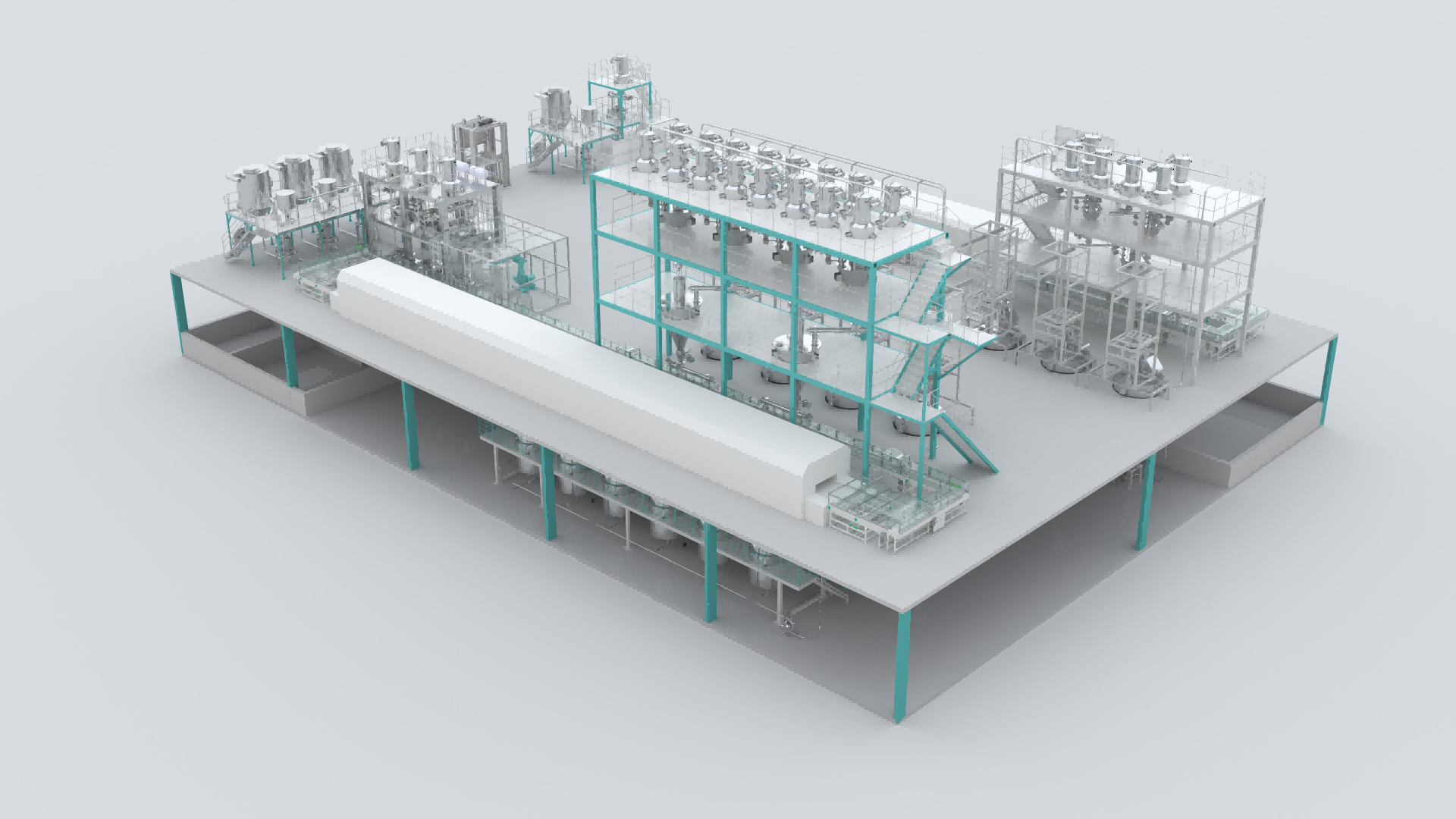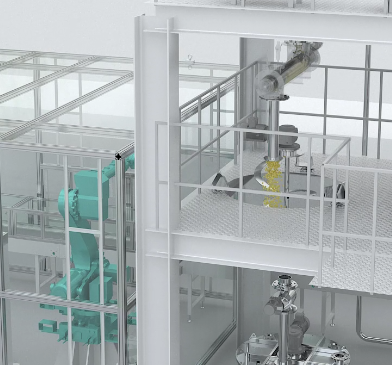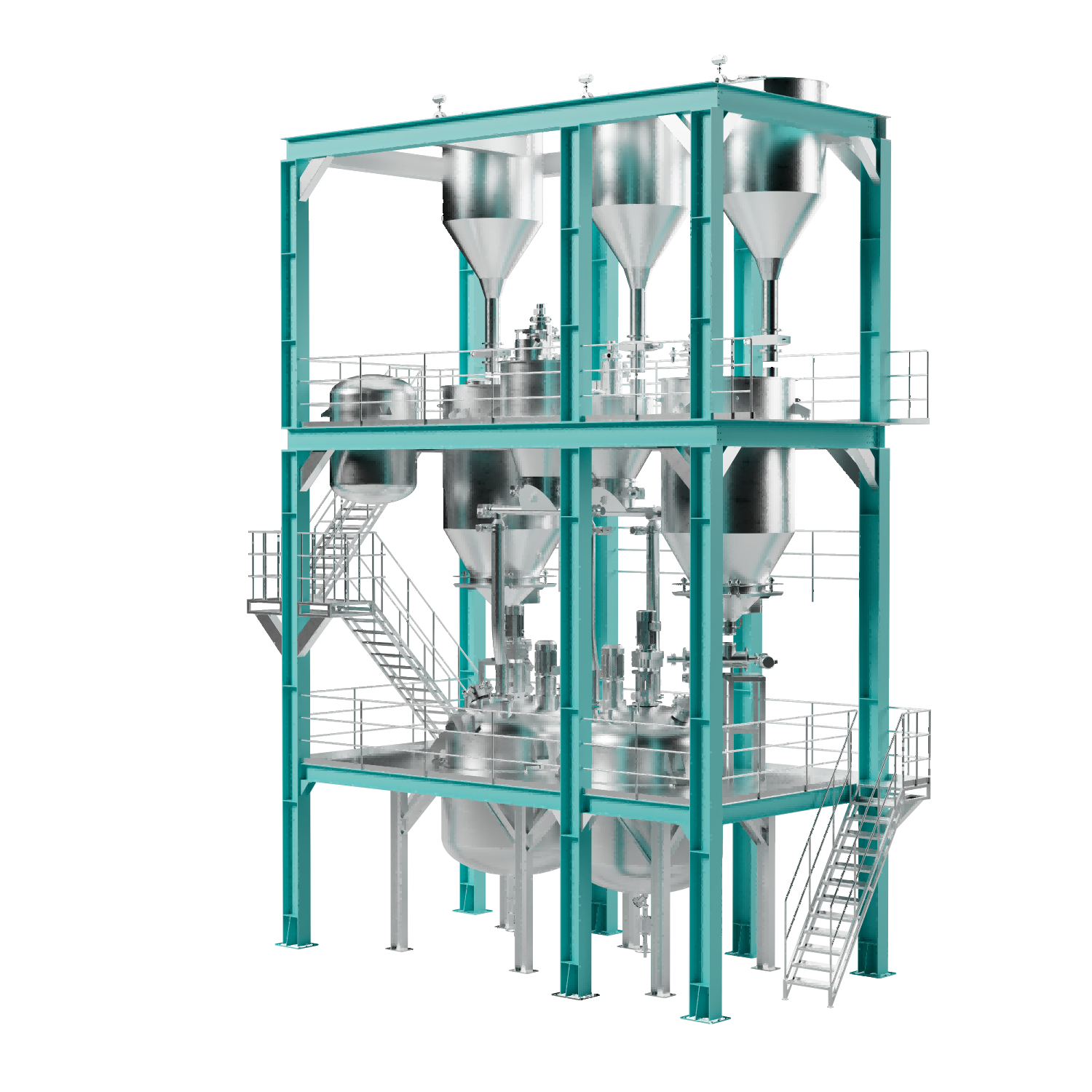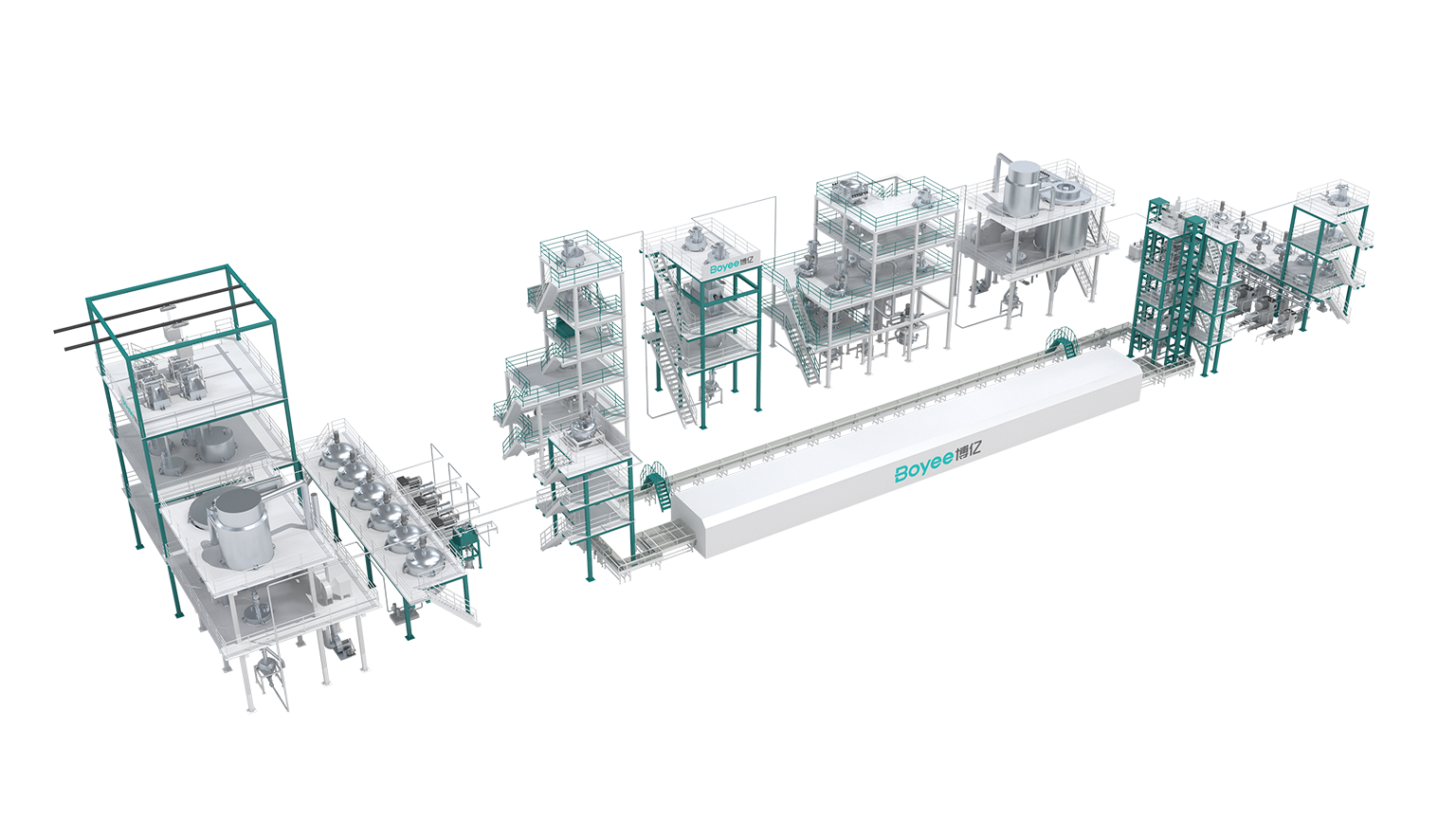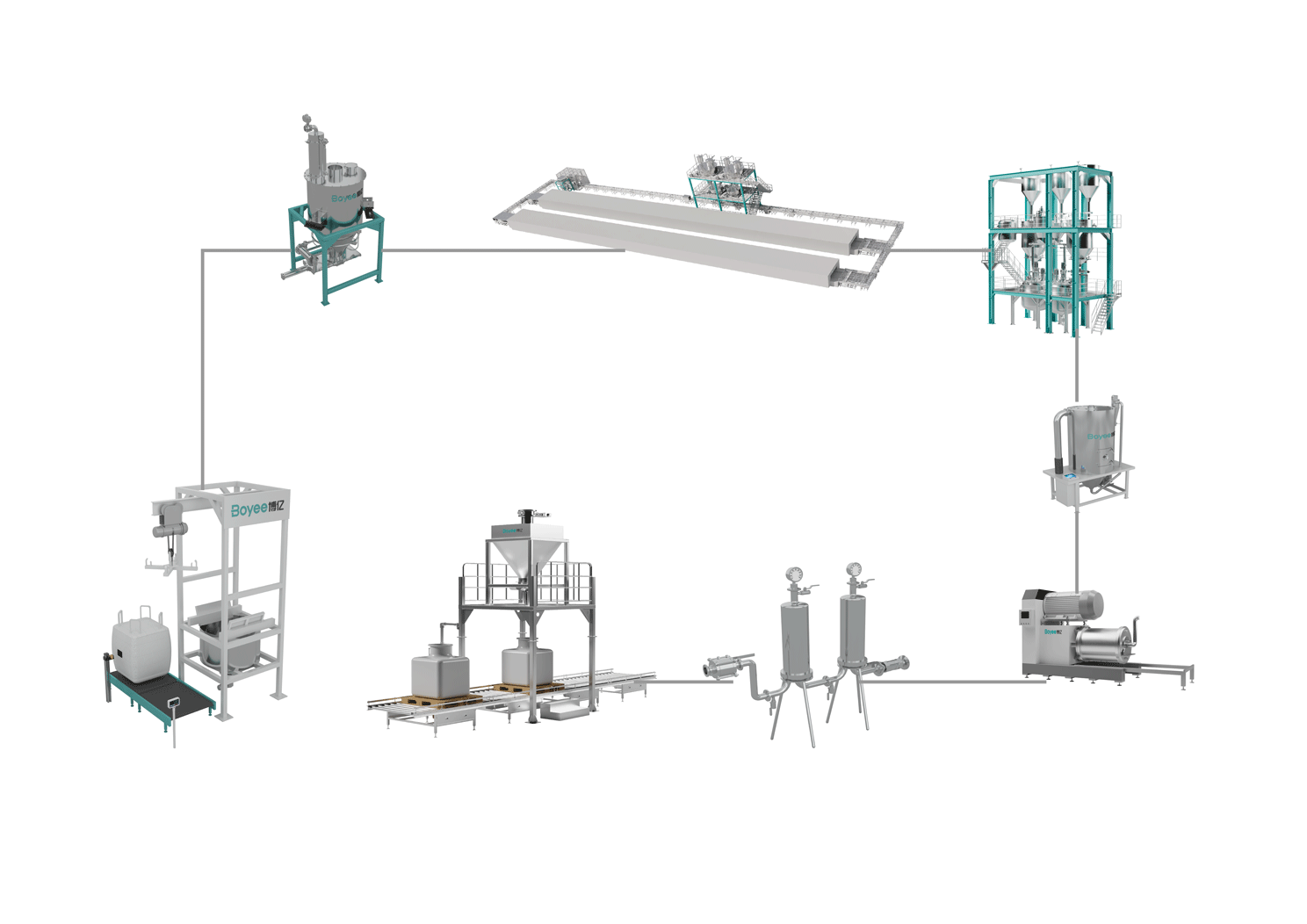















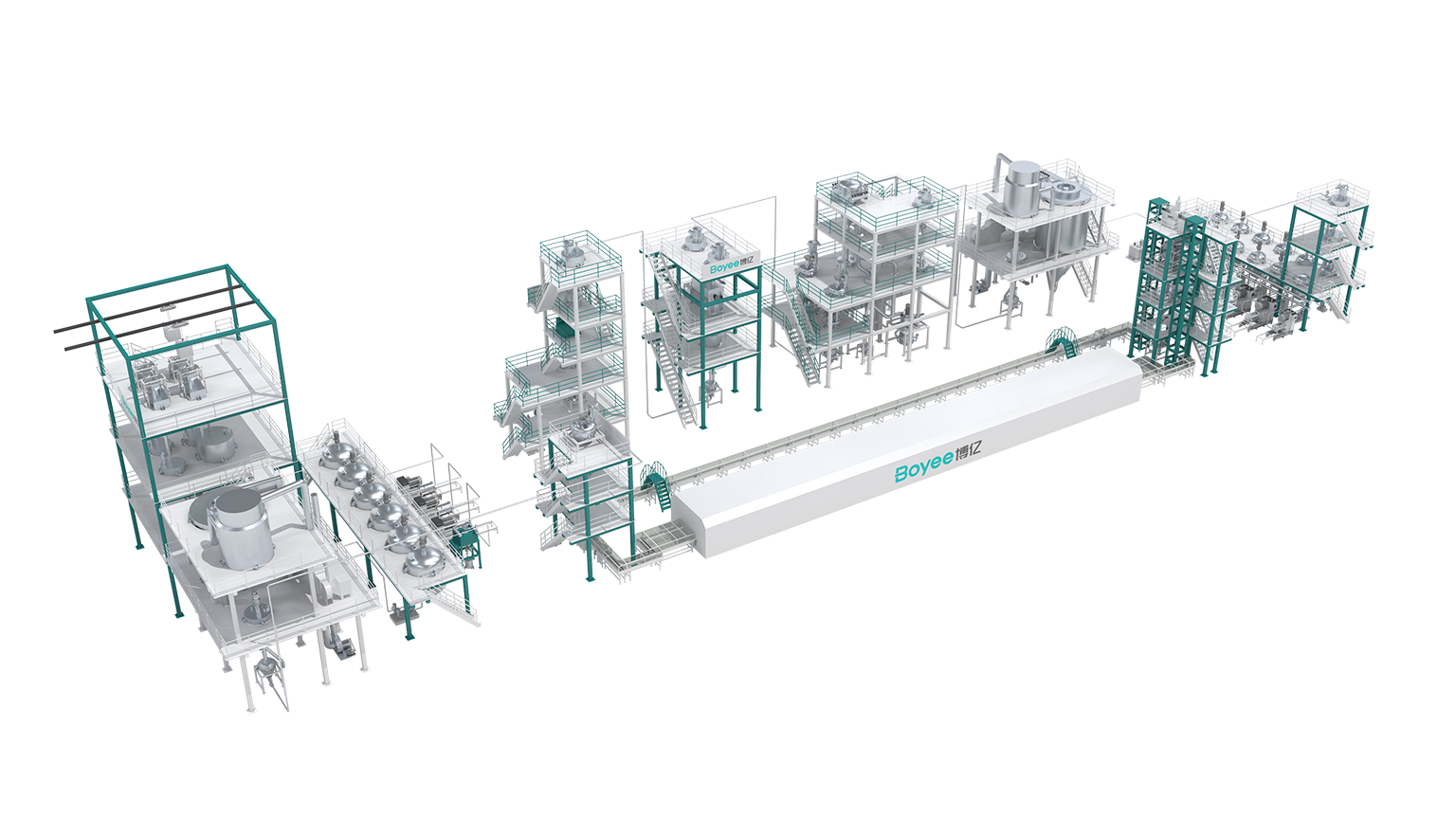
Boyee provides complete Oxide Solid State Electrolyte Production Line solutions for advanced solid-state battery materials, covering laboratory validation, pilot-scale production and industrial manufacturing.
The production line is designed for oxide electrolyte materials including LLZO (Lithium Lanthanum Zirconate), LLTO (Lithium Lanthanum Titanate) and LATP (Lithium Aluminum Titanium Phosphate), integrating mixing, spray drying, sintering, grinding, drying, classification and packaging processes to achieve stable powder quality and scalable production.
Oxide Solid State Electrolyte Production Line can solve your problems:
Material Moisture Sensitivity
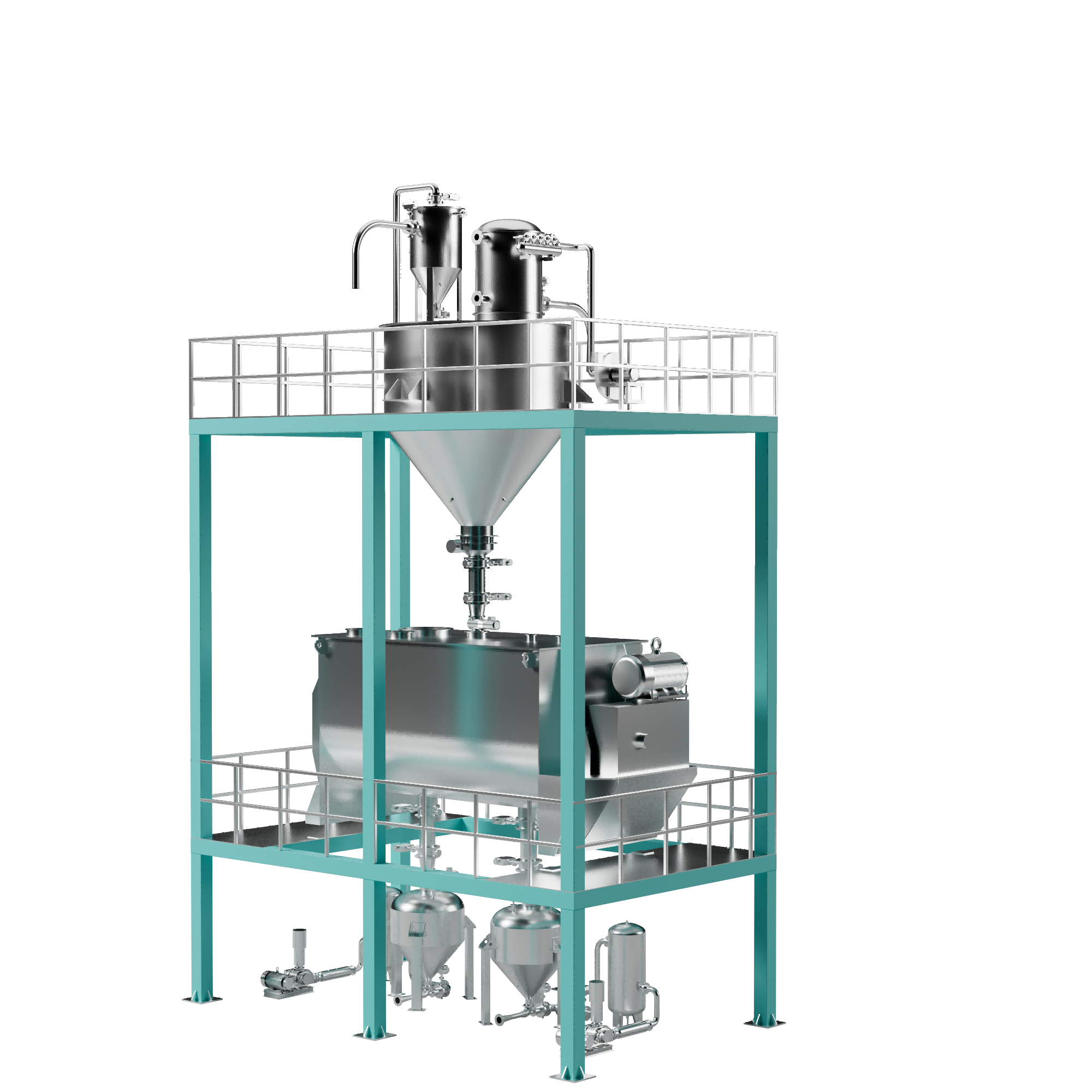
Poor Mixing Uniformity
Sintering adhesion to crucibles
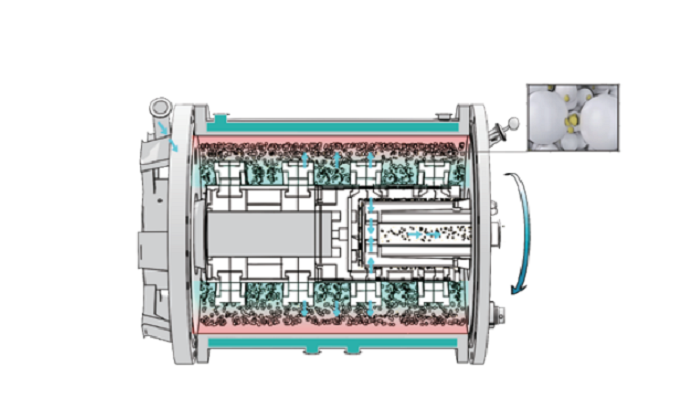
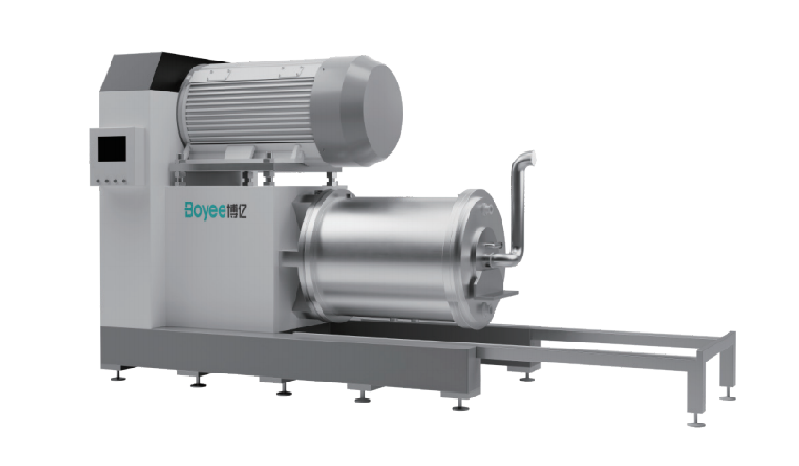
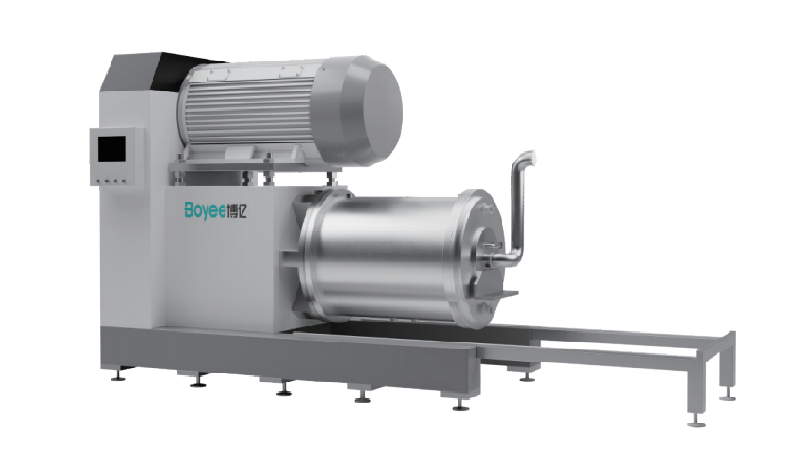
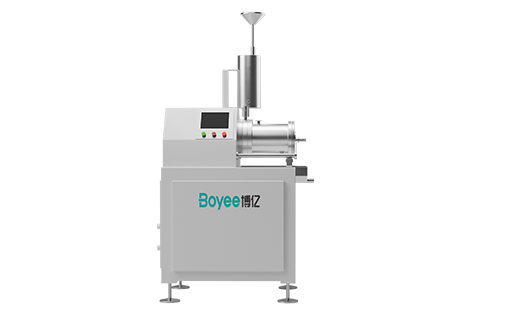
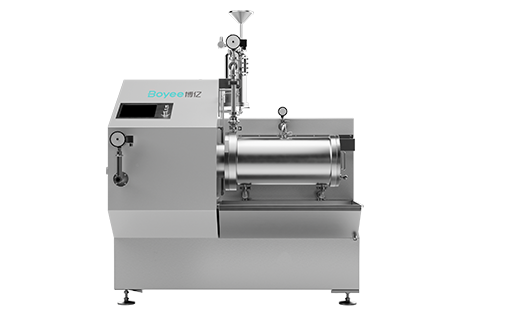
High wear during airflow grinding(Solved by replacing with advanced agitator bead mill technology)
Poor pre-mixing dispersion performance
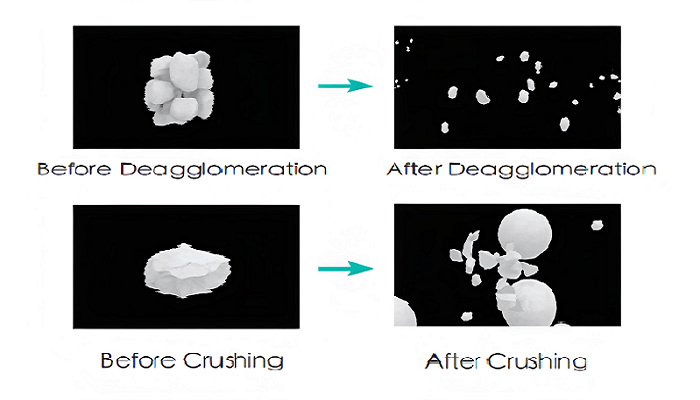
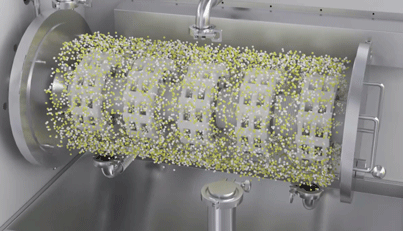
Grinding Stage: Deagglomeration Difficulty, Poor Dispersion, Non-uniform Distribution

Applicable Oxide Electrolyte Materials and Production Challenges
Oxide solid-state electrolytes mainly include material systems such as LLZO, LATP and LLTO. Although these materials share similar powder processing stages, differences in raw material characteristics, powder behavior and sintering conditions require corresponding adjustments to the production process.
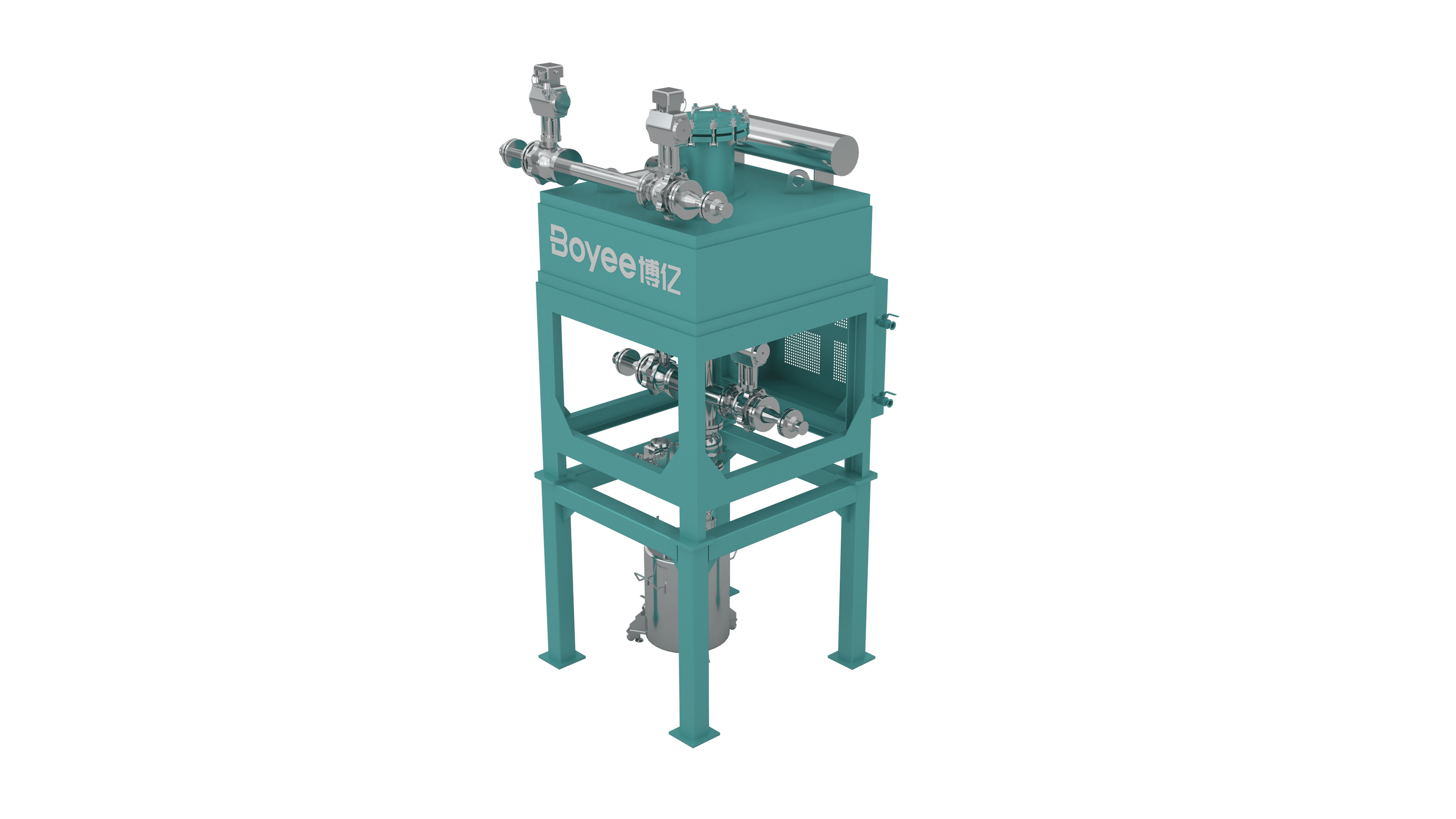
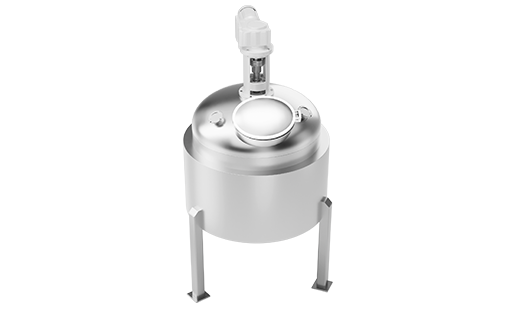
Boyee provides integrated equipment solutions covering raw material handling, precision batching, wet mixing, spray drying, sintering, crushing, grinding and powder post-processing. The equipment configuration can be adapted to different oxide electrolyte formulations and production requirements.

1. LLZO, LATP and LLTO Material Processing
Different oxide electrolyte systems require appropriate raw material preparation, mixing, thermal processing and particle size control. Production parameters should be established according to the material formulation and target properties rather than applying one identical process to every material.
| Material System | Production Considerations | Relevant Process Stages |
|---|---|---|
| LLZO | Raw material proportioning, homogeneous mixing, sintering and particle size control. | Precision batching, wet mixing, sintering, crushing and grinding. |
| LATP | Multi-component powder mixing, dispersion uniformity and thermal processing. | Raw material preparation, mixing, spray drying, sintering and grinding. |
| LLTO | Composition uniformity, powder processing and particle size distribution. | Precision batching, mixing, thermal processing and powder classification. |

2. Key Manufacturing Challenges and Process Solutions
Oxide electrolyte production involves several interconnected processing challenges. Equipment selection and process integration should address material handling, sintering, particle refinement and powder post-treatment together.
| Manufacturing Challenge | Process Consideration | Relevant Equipment |
|---|---|---|
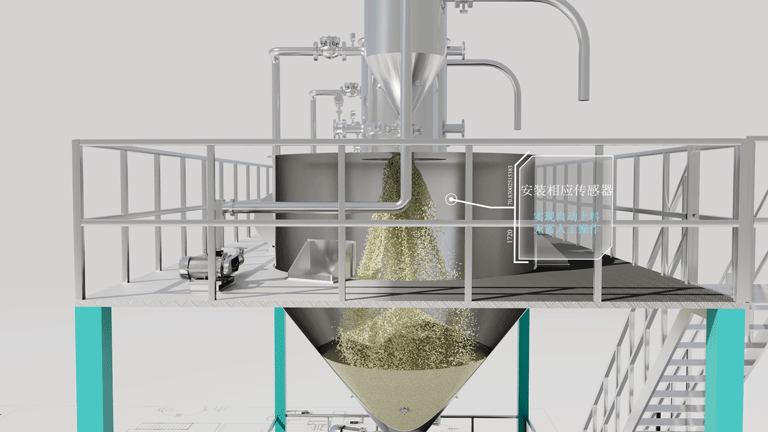
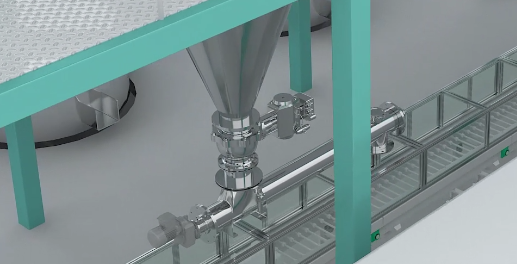
| Raw Material Handling | Control environmental moisture, minimize material exposure during transfer and improve batching accuracy. | Enclosed Conveying System, Precision Batching System |
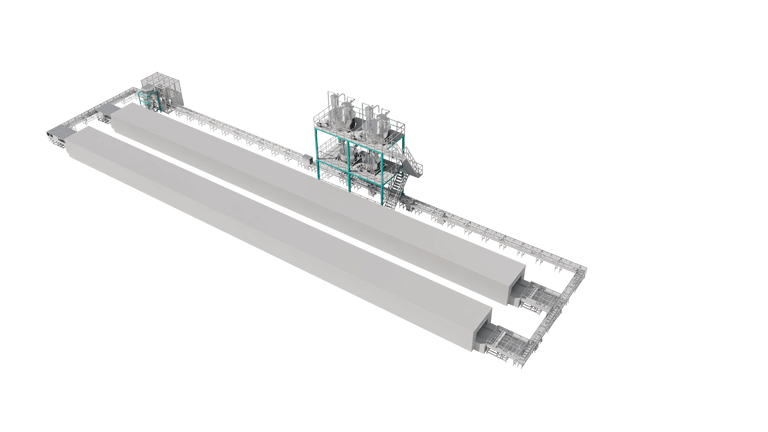
| Sintering and Crucible Adhesion | Optimize material-contact surfaces and evaluate suitable process conditions to reduce material adhesion. | Sintering Furnace, Material Handling Equipment |
| Particle Agglomeration | Use staged crushing and grinding to break down agglomerates and improve particle size distribution. | Jaw Crusher, Roller Crusher, Bead Mill |
| Powder Post-Processing | Improve powder uniformity through further grinding, mixing, classification and impurity removal. | Jet Mill, Mixing Equipment, Screening and Demagnetization Equipment |
The final process route and equipment combination should be determined through material testing and process validation. Boyee can configure the corresponding production equipment according to the customer's oxide electrolyte material system and target production capacity.