














NMM Multi-functional Laboratory Bead Mill for Nano Grinding and Scale-Up

NMM Multi-functional Laboratory Bead Mill

Multi-Functional Nano Grinding Equipment for Laboratory R&D and Pilot-Scale Validation

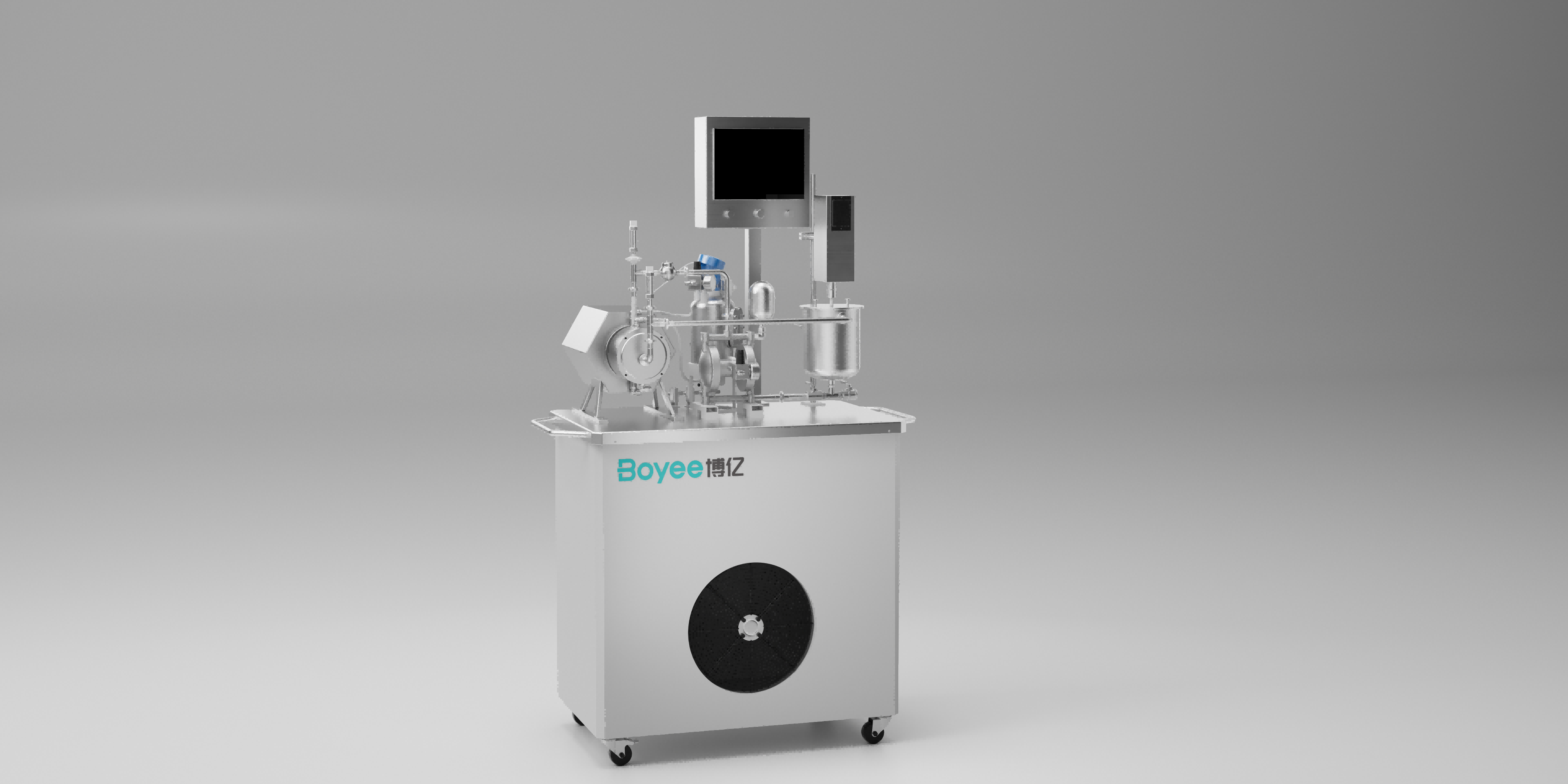
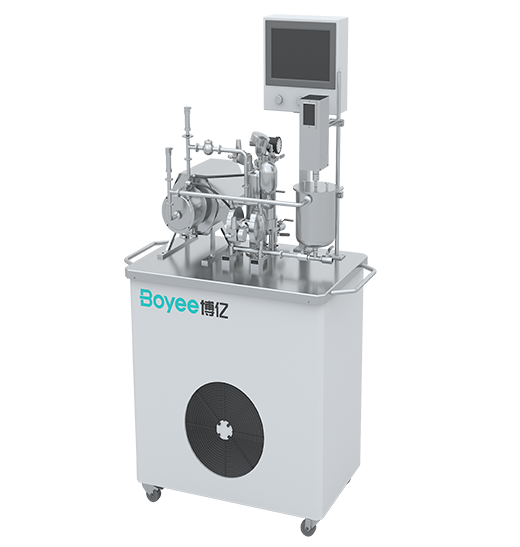
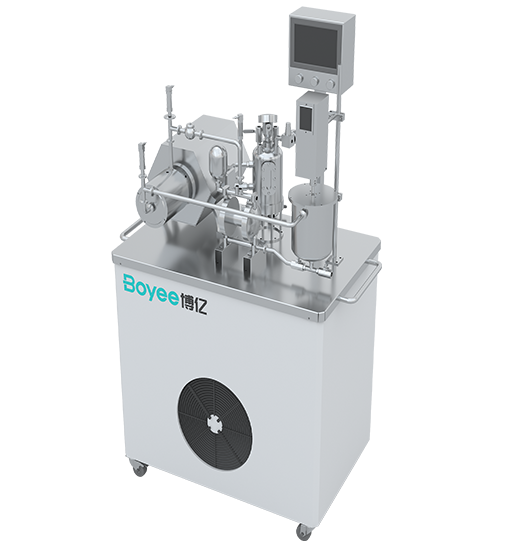
The NMM Multi-functional Laboratory Bead Mill from Boyee is a versatile wet grinding and dispersion system designed for university research laboratories, material development teams, pilot-scale process validation and small-batch production.


Available in NMM-1L and NMM-2L configurations, this Laboratory Bead Mill integrates interchangeable turbine and pin-type grinding rotors, multiple mixing options and an adjustable grinding media separation system. It enables researchers to evaluate different material formulations, grinding conditions and dispersion processes using a flexible laboratory equipment platform.


With grinding chamber volumes of 1 L and 2 L, the NMM series supports reference batch processing volumes of 1.4–20 L across the two models. Grinding media from 0.1 to 2.0 mm can be selected according to the material properties, target particle size and processing requirements.


The machine is suitable for laboratory research involving battery materials, carbon-based additives, electronic ceramics, semiconductor materials, inks, coatings and other compatible advanced material slurries.


Beyond laboratory grinding, Boyee's NMM system provides a technical foundation for subsequent process scale-up. Grinding parameters and test results can be used to evaluate larger production equipment, supporting a structured transition from laboratory research to pilot trials and industrial manufacturing.


Key Features:

  • Multifunctional Grinding System: Turbine and pin-type rotor configurations for different grinding conditions.

  • Flexible Laboratory Processing: NMM-1L and NMM-2L models for formulation testing and small-batch trials.

  • Adjustable Media Separation: Ceramic laminated or wedge-type screen options with adjustable separation gaps.

  • Integrated Mixing Options: Frame, anchor and dispersion-disc agitators for different material preparation requirements.

  • Process Validation: Supports particle size analysis, dispersion evaluation and grinding parameter optimization.

  • Scale-Up Support: Laboratory data can guide the selection and configuration of larger NMM production equipment.

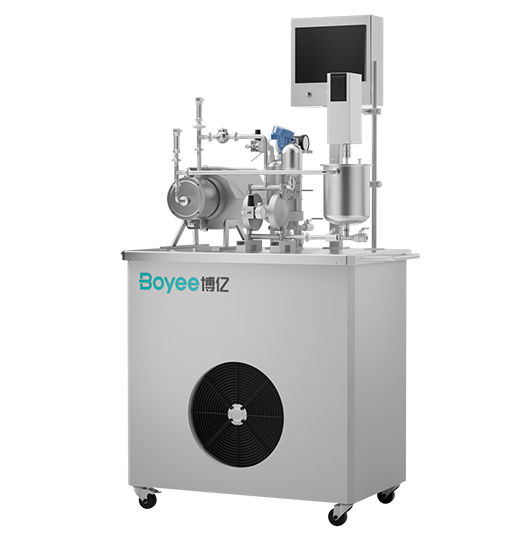
NMM Laboratory Bead Mill for Small-Batch R&D and Process Scale-Up
Equipment advantage
01

Meets the demands of high-complexity academic research

02

Meet the different grinding needs, to achieve a machine multi-purpose

03

Compatible with experimental requirements for a variety of novel material processes.

04

Facilitates scaling up of experimental data to production, enabling the transition from small to large scale

05

The experimental data can be scaled up for production, realizing the transition from small-scale to large-scale operations

06

Visualized operation interface enables real-time monitoring of grinding speed, temperature, and process status

https://www.youtube.com/embed/p6Rq2XGrZb8?si=8dIh_lOTTCCD4DGD


How the NMM Laboratory Sand Mill Works: A 4-Stage Grinding Process
01 - Feed & Rotor Selection

Material enters the grinding chamber of the NMM experimental sand mill through the feed inlet. Users select either the patented TurboMax turbine-type or pin-type rotor based on material viscosity and target particle size. High-speed rotating grinding media then subjects the material to intense shearing, impact, and friction — achieving nano-level fine grinding within the laboratory bead mill chamber.

02 - Cyclic Grinding

Any material not meeting particle size requirements is automatically recycled back to the grinding zone for continued processing — a closed-loop system that maximizes grinding efficiency in small trial sand mill applications where material volume is limited.

03 - Post-Grinding Filtration

Ground material passes through a wedge-shaped or ceramic laminated disc filter screen. Larger particles and grinding media are intercepted; qualified material meeting the target particle size passes through and proceeds to discharge. This self-adjusting filtration is a core advantage of this lab-scale trial bead mill.

04 - Discharge

Once particle size specifications are achieved, material exits through the discharge port, completing the full grinding cycle of this laboratory sand mill.

Technical indicator
30mm-500mm

Fineness

Water/oily

Solvent system

10L-1000L/h

Capacity

≤5000CPS

Viscosity

0.05-0.2mm

Grinding medium

Same series of products

NMM-1L

NMM-2L

NMM-1L
Equipment characteristics:

Innovative centrifugal

Material grinding and separating independent operation

suitable for low viscosity products

Gourmers can be minimal to 0.05mm

optional turbine and stick -based grinding system

more finely grinding and decentralized effects

Excellent cooling performance

Make a variety of materials meet personalized needs

Easy to operate and clean

1

Volume of grinding chamber(L)

2.2

Grinder driving power(kw)

0-2840

Decentralizer speed(r/min)

0.1-2.0

Diameter of grinding medium(mm)

120

Machine weight(kg)

1000×580×1750

Overall dimension(mm)
NMM-2L
Equipment characteristics:

Innovative centrifugal

Material grinding and separating independent operation

suitable for low viscosity products

Gourmers can be minimal to 0.05mm

optional turbine and stick -based grinding system

more finely grinding and decentralized effects

Excellent cooling performance

Make a variety of materials meet personalized needs

Easy to operate and clean

2

Volume of grinding chamber(L)

4

Grinder driving power(kw)

0-2840

Decentralizer speed(r/min)

0.1-2.0

Diameter of grinding medium(mm)

200

Machine weight(kg)

1150×680×1850

Overall dimension(mm)

I. Laboratory Batch Capacity & Model Selection

Boyee provides NMM-1L and NMM-2L Laboratory Bead Mill configurations for wet grinding, formulation screening, and small-batch process development. The two models share flexible grinding systems while offering different chamber volumes and reference batch capacities.

1. NMM-1L vs. NMM-2L Technical Specifications

ParameterNMM-1LNMM-2L
Grinding Chamber Volume1 L2 L
Main Drive Power2.2 kW4 kW
Grinding Media Diameter0.1–2.0 mm0.1–2.0 mm
Adjustable Screen Gap0.05–1.0 mm0.05–1.0 mm
Reference Batch Capacity1.4–10 L*2.4–20 L
Reference Feed Rate0.5–2 L/min0.5–2 L/min
Grinding ArrangementCirculation / Single PassCirculation / Single Pass

*The NMM-1L batch capacity is based on Boyee's supplied worksheet and requires final confirmation due to a discrepancy in the printed brochure. Feed rate does not represent guaranteed finished-product throughput.

2. NMM-1L for Laboratory Formulation Development

With a 1 L grinding chamber and a 2.2 kW main drive, NMM-1L supports material screening, particle size testing, grinding media evaluation, and comparison of rotor settings. Its reference batch processing range is 1.4–10 L, subject to final specification confirmation.

3. NMM-2L for Larger Laboratory Batches

The NMM-2L has a 2 L chamber and a 4 kW main drive, with a reference batch capacity of 2.4–20 L. It supports larger formulation trials, repeated experiments, and preliminary process verification before selecting higher-capacity equipment.

4. Circulation Grinding vs. Single-Pass Grinding

Circulation Grinding: The slurry repeatedly passes through the grinding chamber to support progressive particle size reduction and dispersion improvement.

Single-Pass Grinding: The slurry passes through the grinding chamber once. This arrangement can be evaluated for initial dispersion or applications where one pass meets the processing requirements.

5. How to Select the Right Laboratory Bead Mill

  • Determine the available sample volume and required batch size.
  • Define the starting particle size and target D50/D90.
  • Evaluate slurry viscosity, solid content, and solvent compatibility.
  • Select suitable grinding media and contact materials.
  • Consider experiment repeatability and future production scale-up.

For smaller sample quantities, explore Boyee's NMM Self-Circulating Bead Mill .

Optional rotors

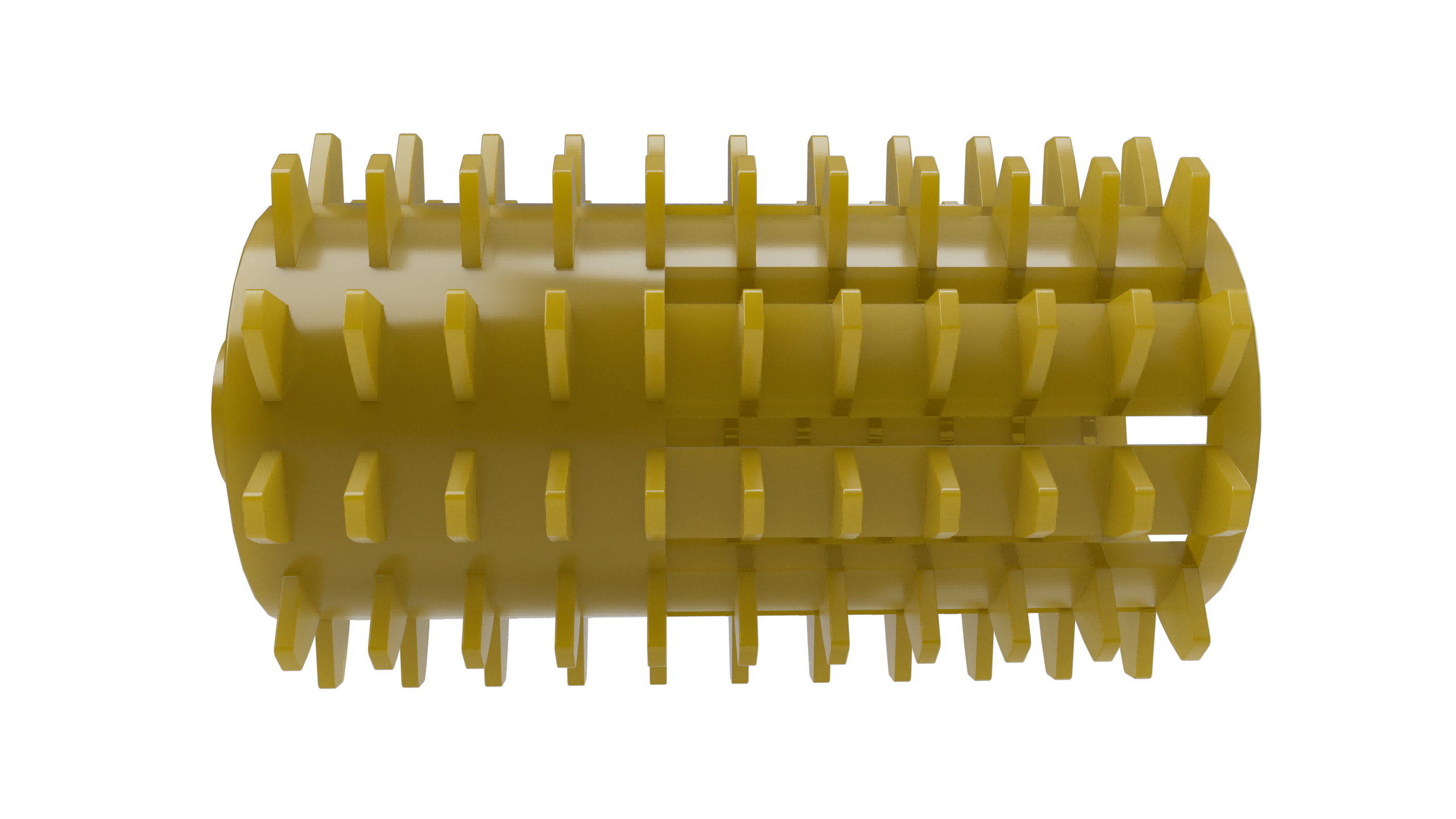
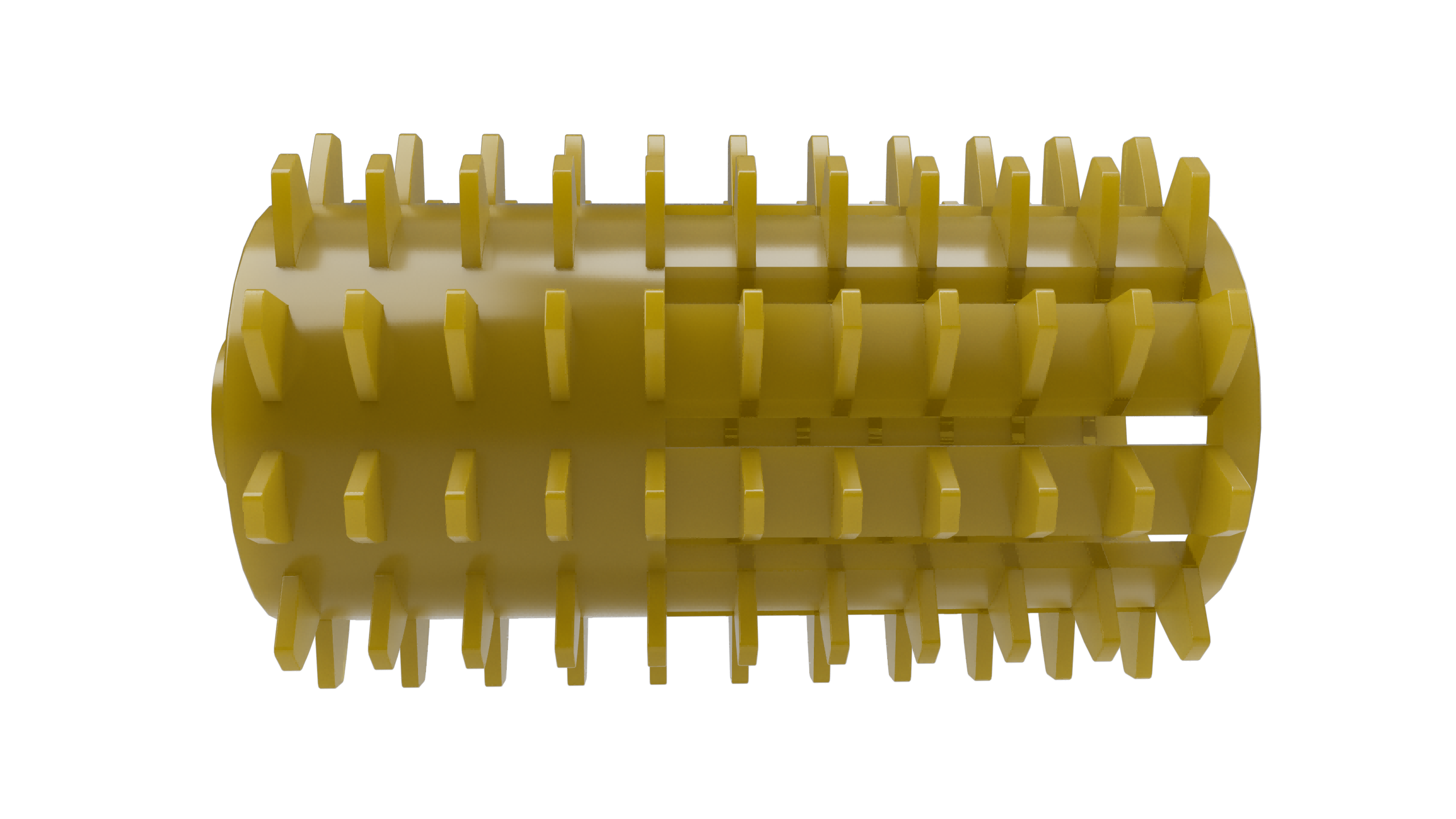
The grinding system can choose turbine and rod pin according to the requirements:

Turbine rotor

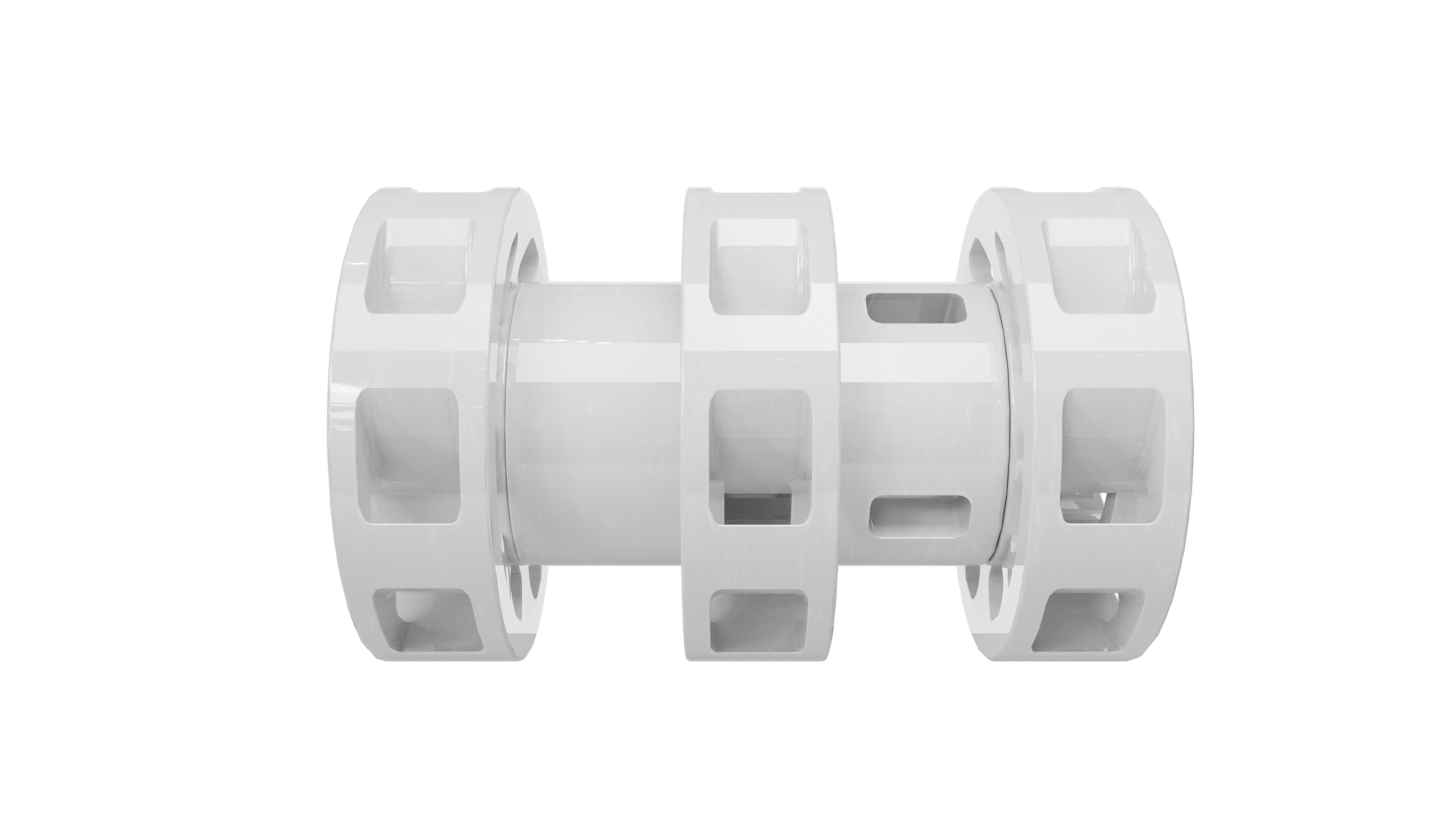
Providing more gentle and meticulous grinding effect can effectively prevent excessive material dispersion and improve TurboMax patented Turbine(Turbo) structure grinding quality and accuracy

Rod pin rotor

The rod-pin rotor structure has high linear velocity, which can form continuous strong grinding in the grinding(Chamber), and the impact and grinding effect on the material is more intense

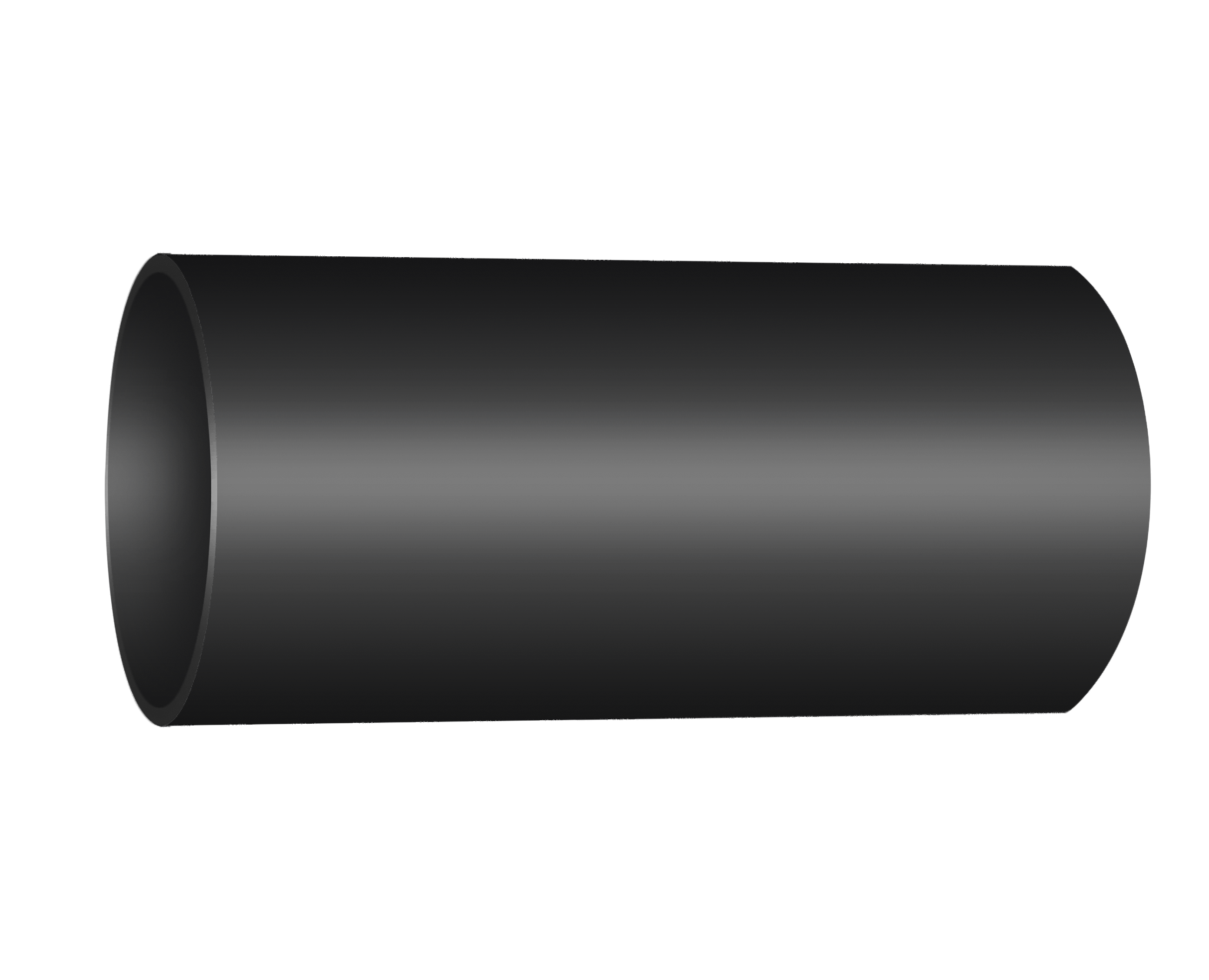
Optional materials

Zirconia

Polyurethane (PU)

Silicon Carbide

II. Multifunctional Grinding & Mixing Configurations

The NMM Multifunctional Bead Mill combines interchangeable grinding rotors, multiple mixing options, and adjustable grinding media separation. This configuration allows research teams to evaluate different processing conditions using one flexible laboratory grinding platform.

1. Interchangeable Turbine and Pin-Type Rotors

Turbine Rotor: Promotes controlled grinding media movement and relatively gentle energy transfer. It can be considered when dispersion uniformity, material structure protection, and process temperature management are important.

Pin-Type Rotor: Generates repeated impact and shear through rotating pins and grinding media. It can be evaluated for materials requiring stronger deagglomeration or particle size reduction.

The appropriate rotor depends on slurry viscosity, particle characteristics, grinding intensity, and target particle size distribution.

2. Three Mixing and Agitation Options

Agitator TypeProcessing ConditionsMain Function
Frame AgitatorHigh-viscosity or sedimentation-prone slurriesPromotes bulk movement and uniform mixing.
Anchor AgitatorLow- to medium-viscosity slurriesImproves mixing near the vessel wall and bottom.
Dispersion DiscFormulations requiring higher-shear pre-dispersionSupports initial wetting, deagglomeration, and material dispersion.

These agitation configurations support different slurry preparation requirements. The final selection should consider vessel geometry, rheology, and mixing objectives.

3. Adjustable Grinding Media Separation System

Boyee provides ceramic laminated and wedge-type screen configurations for grinding media separation. According to the supplied technical specifications, the NMM-1L and NMM-2L support 0.1–2.0 mm grinding media and an adjustable screen gap of 0.05–1.0 mm.

The separation system retains grinding media while allowing processed slurry to discharge. Screen gap selection should consider media diameter, slurry characteristics, and operating conditions. The screen does not automatically determine the final particle size of the product.

4. Optional Contact Materials and Sealing

Grinding system material options shown by Boyee include zirconia, silicon carbide, and polyurethane (PU). The final configuration depends on wear resistance, solvent compatibility, and contamination limits.

The double mechanical seal design helps reduce slurry leakage risks and supports reliable operation under suitable processing conditions.

5. Advantages for Laboratory Research

Different rotor, agitator, and grinding media combinations allow researchers to compare processing intensity, dispersion quality, slurry behavior, and particle size distribution before investing in dedicated production equipment.

III. Applicable Materials & Laboratory Applications

Boyee's NMM Laboratory Grinding Equipment supports wet grinding, dispersion testing, and process development for compatible advanced material slurries. With multiple rotor and mixing configurations, it can be used to evaluate different formulations, particle size requirements, and material processing conditions.

1. Battery and New Energy Materials

Silicon-Carbon Anode Materials: Laboratory grinding and dispersion trials for compatible silicon-containing and carbon-based slurries, including particle size reduction and agglomeration behavior evaluation.

LFP and LMFP Cathode Materials: Grinding and formulation trials for suitable cathode material processing stages. For industrial applications, explore Boyee's LFP/LMFP Production Line Solutions .

Carbon Nanotube Conductive Slurries: Evaluation of CNT wetting, deagglomeration, and dispersion under controlled processing conditions. Learn more about Boyee's Conductive Slurry Production Line Solutions .

Solid-State Electrolyte Materials: Selected materials may be suitable for wet processing. Moisture-sensitive or reactive electrolyte systems require additional solvent and environmental compatibility evaluation.

2. Electronic Ceramics and Semiconductor Materials

MLCC Ceramic Powders: Fine grinding and dispersion experiments involving compatible electronic ceramic slurries where particle size control and contamination management are important.

Semiconductor Material Slurries: Processing feasibility depends on material compatibility, cleanliness requirements, and permissible contamination limits.

3. Inks, Coatings and Specialty Chemicals

The NMM can support experimental pigment dispersion and particle size reduction for compatible printing inks, inkjet inks, ceramic inks, coatings, and specialty chemical formulations.

4. Pharmaceutical, Food and Biological Formulations

Selected formulations may be technically suitable for grinding or dispersion trials. However, equipment suitability depends on sanitary design, cleaning procedures, material compatibility, and applicable regulatory requirements. Pharmaceutical-grade or food-grade compliance should not be assumed without specific confirmation.

5. Material Compatibility Evaluation

  • Initial particle size and target D50/D90
  • Material formulation, solvent system, and solid content
  • Slurry viscosity and temperature sensitivity
  • Permissible contamination limits
  • Available sample quantity and processing requirements
  • Grinding media and equipment-contact material compatibility

IV. Laboratory Grinding Performance & Test Results

Laboratory grinding performance should be evaluated through measurable particle size distribution, dispersion characteristics, processing conditions, and experimental repeatability. Boyee's supplied NMM technical brochure includes reference grinding results for carbon nanotubes and silicon powder.

1. Carbon Nanotube Dispersion Test

Carbon nanotubes tend to form bundles and agglomerates, making controlled dispersion an important part of conductive slurry preparation. The reference data from Boyee's supplied brochure show changes in the measured particle or agglomerate size distribution after processing.

Particle Size ParameterFeed MaterialProcessed Material
D5024.9 μm0.0555 μm
D9071.8 μm3.39 μm

The results indicate a reduction in measured particle or agglomerate size. They should not be interpreted as the physical diameter of individual carbon nanotubes or guaranteed grinding performance for every formulation.

2. Silicon Powder Nano Grinding Test

Boyee's supplied technical brochure also includes a silicon powder grinding example. The measured results illustrate substantial particle size reduction under the test conditions.

Particle Size ParameterFeed MaterialProcessed Material
D5025.8 μm0.0287 μm
D9044.7 μm0.0661 μm

Actual grinding performance depends on material characteristics, formulation, grinding media, processing conditions, and particle size measurement methods.

3. Understanding Particle Size Distribution

D10: The particle size below which 10% of the measured distribution falls.

D50: The median particle size of the measured distribution.

D90: The particle size below which 90% of the measured distribution falls.

The full particle size distribution curve should also be reviewed to identify broad or multiple particle populations. A low D50 alone does not demonstrate a uniformly narrow distribution.

4. Recording Repeatable Laboratory Test Conditions

  • Material formulation and initial particle size distribution
  • Grinding media diameter and filling ratio
  • Rotor configuration and operating speed
  • Slurry viscosity and solid content
  • Circulation rate and processing time
  • Operating temperature and cooling conditions
  • Final particle size distribution and test method
  • Equipment wear and contamination observations

Reference results are taken from Boyee's supplied NMM technical brochure. The specific equipment model and complete test conditions have not yet been confirmed. These results should not be treated as guaranteed equipment performance.

V. From Laboratory Grinding to Industrial Scale-Up

The NMM Multi-functional Laboratory Bead Mill provides experimental data that can support future pilot-scale and industrial grinding equipment selection. Laboratory grinding conditions serve as an engineering reference, but scaling up requires additional verification of process parameters and material quality.

1. Laboratory Material Validation

Initial laboratory tests help determine whether a selected grinding process can achieve the required particle size distribution and dispersion characteristics. Researchers can evaluate grinding media, rotor configurations, slurry behavior, operating temperature, and material compatibility.

2. Process Parameter Optimization

After initial feasibility testing, process parameters can be evaluated and adjusted. These may include grinding media diameter, filling ratio, rotor speed, slurry circulation rate, processing time, solid content, and temperature control.

The objective is to identify a suitable processing window that provides the required material characteristics under stable laboratory conditions.

3. Pilot-Scale Process Verification

Pilot-scale testing helps evaluate material behavior and process stability at higher processing volumes. Important considerations include grinding intensity, residence time, cooling requirements, equipment geometry, and final particle size distribution.

Processing conditions may require adjustment when transferring a laboratory process to larger equipment.

4. Industrial Wet Grinding Equipment Selection

For larger production requirements, Boyee can evaluate different grinding system configurations based on material characteristics, target fineness, processing capacity, and experimental results.

For suitable high-flow applications, explore Boyee's NMM High-Flow Screen-Type Nano Bead Mill .

5. Critical Parameters for Grinding Process Scale-Up

ParameterScale-Up Consideration
Grinding Media SizeCompatibility with the larger grinding system
Media Filling RatioGrinding media movement and energy transfer
Rotor Speed and Tip SpeedGrinding intensity and mechanical stress
Slurry Flow RateResidence time and circulation behavior
Energy InputGrinding effectiveness and heat generation
Cooling CapacityTemperature management during production
Particle Size DistributionQuality consistency across equipment scales

6. A Structured Laboratory-to-Production Workflow

Material Evaluation → Laboratory Grinding Tests → Process Optimization → Pilot-Scale Verification → Production Equipment Selection → Industrial Implementation

Boyee works with material researchers and industrial R&D teams to evaluate grinding requirements and identify suitable equipment configurations based on experimental results and planned production capacity.

VI. Frequently Asked Questions About the NMM Laboratory Bead Mill

The following answers address common engineering and procurement questions when selecting an NMM Laboratory Bead Mill for wet grinding and material development.

1. What is the minimum reference batch volume?

According to Boyee's supplied technical worksheet, NMM-1L has a reference minimum batch volume of 1.4 L, while NMM-2L has a reference minimum of 2.4 L. The final working range should be confirmed for the selected material and grinding process.

2. What is the difference between NMM-1L and NMM-2L?

NMM-1L has a 1 L grinding chamber and a 2.2 kW main drive, while NMM-2L has a 2 L grinding chamber and a 4 kW main drive. NMM-2L supports larger reference batch volumes for formulation testing and process evaluation.

3. Does the NMM support circulation and single-pass grinding?

Yes. The NMM laboratory grinding system supports circulation and single-pass processing arrangements. The appropriate method depends on the starting material, target particle size, and experimental requirements.

4. What grinding media sizes can the NMM use?

The supplied NMM-1L and NMM-2L specifications list grinding media diameters from 0.1 to 2.0 mm. The 0.05–1.0 mm value refers to the adjustable screen gap, not the minimum grinding bead diameter.

5. Can one NMM machine be configured for different materials?

The NMM provides configurable grinding rotors, mixing arrangements, and contact material options. When changing formulations, customers should evaluate grinding media, cleaning requirements, solvent compatibility, and contamination risks.

6. Can laboratory results be transferred directly to industrial production?

Laboratory data provide a basis for selecting larger grinding equipment, but industrial scale-up requires additional verification of grinding intensity, residence time, cooling capacity, slurry flow, and final material quality.

7. What information should customers provide for equipment selection?

Please provide the material type, available sample volume, initial particle size, target D50/D90, slurry viscosity, solid content, solvent system, and experimental objectives. These details help Boyee evaluate a suitable laboratory grinding configuration.


VII. Find the Right Laboratory Bead Mill for Your Research


Developing a new battery material, ceramic slurry, conductive additive, or advanced coating formulation?

Boyee provides NMM Multi-functional Laboratory Bead Mills for wet grinding, dispersion testing, material research, and process development.


Whether you are comparing grinding methods, optimizing particle size distribution, or preparing for industrial production scale-up, our technical team can help evaluate suitable laboratory equipment configurations.

Share your material type, sample volume, initial and target D50/D90, slurry viscosity, solid content, solvent system, and research objectives with Boyee.

Contact Boyee for Laboratory Bead Mill Selection

二维码

扫码关注