
















Mechanical Seals: A Key Design Factor for Continuous and Stable Operation of Bead Mills
During the material grinding process, customers typically focus on particle size control, grinding efficiency, production capacity, and energy consumption.
However, for continuous production, the long-term equipment reliability depends not only on grinding performance but also on the durability and stability of key components. Among these, the mechanical seal—as a critical component connecting the grinding chamber to the drive system—directly affects the stability of equipment operation.
Mechanical seals must maintain stable performance under challenging operating conditions, including high-speed rotation, continuous operation, high mechanical loads, and complex slurry environments.
If the sealing system malfunctions, it may result in:
· Material entering the drive area
· Wear on sealing components
· Increased equipment maintenance frequency
· Disruptions to production continuity
Therefore, proper mechanical seal design and standardized maintenance are essential for ensuring the long-term, stable operation of bead mills.
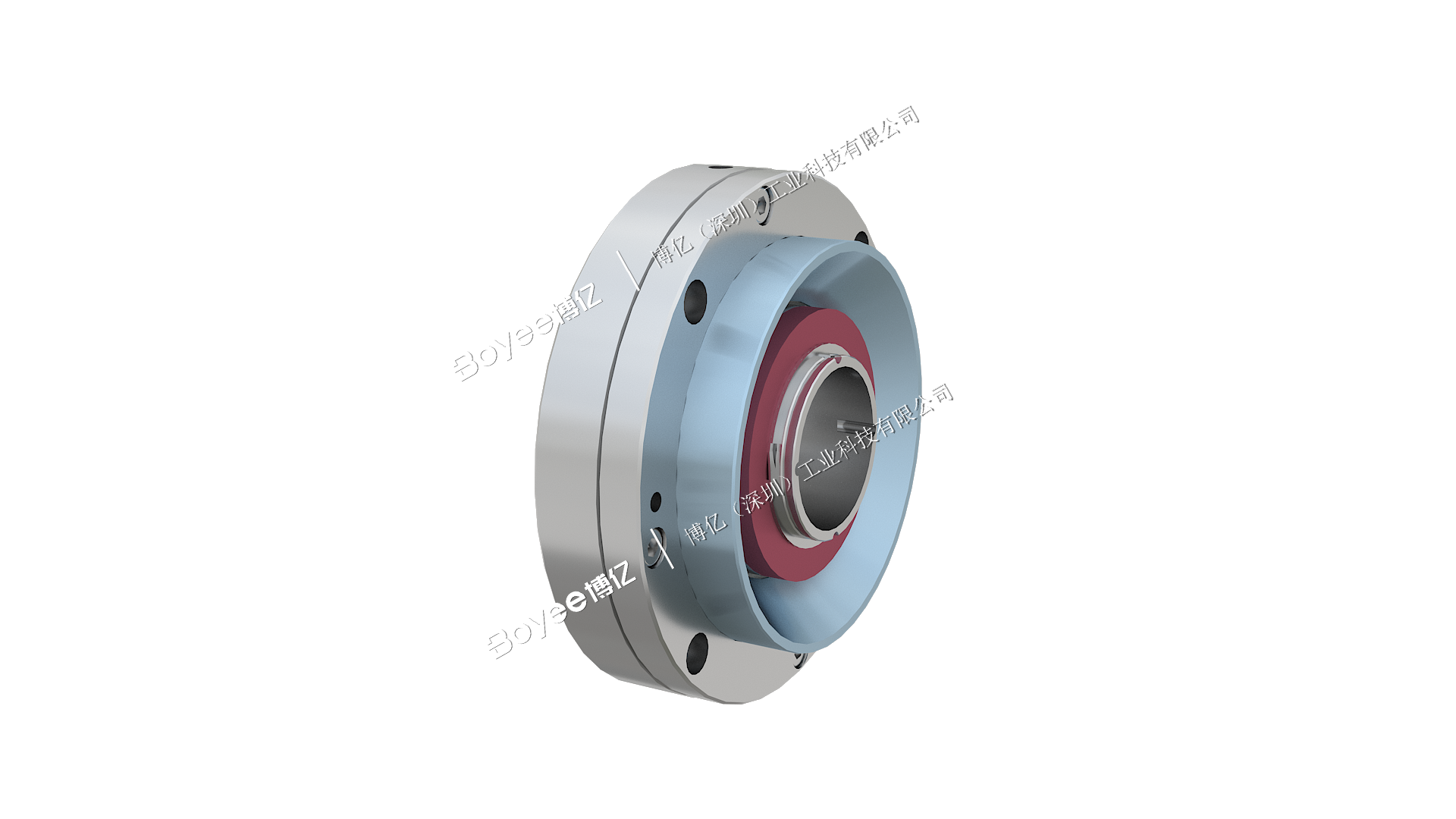
1. What is the function of a mechanical seal in a bead mill?
Mechanical seals are primarily used to provide a dynamic seal between the rotating shaft and the equipment housing.
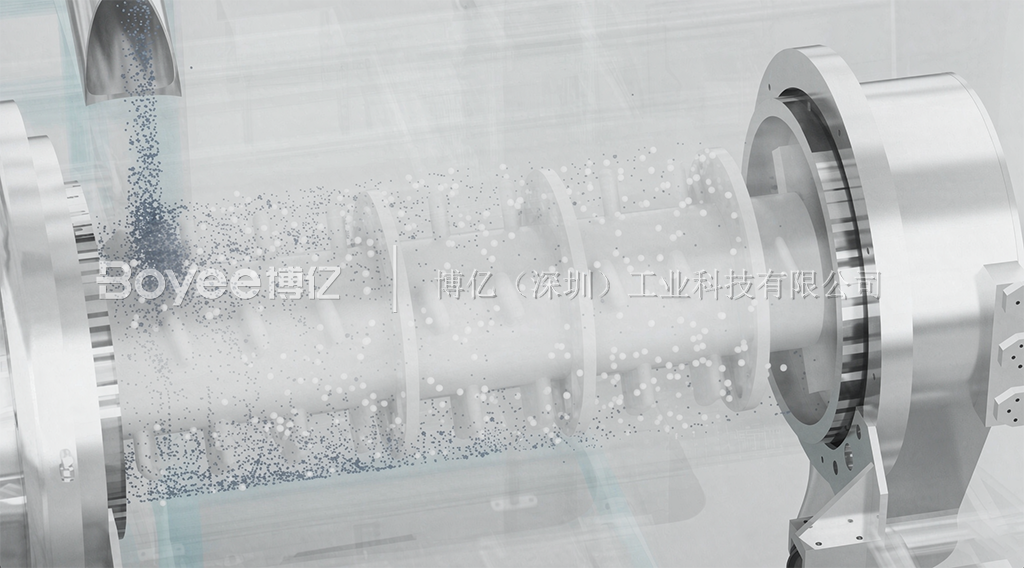
During the operation of a bead mill, the grinding chamber contains slurry and grinding media. If seal performance deteriorates, material may enter the drive area along the rotating shaft, causing:
· Rearing contamination
· Component wear
· Abnormal equipment operation
Boyee bead mills utilize a precision-engineered mechanical seal system to maintain effective isolation between the grinding zone and the drive zone.
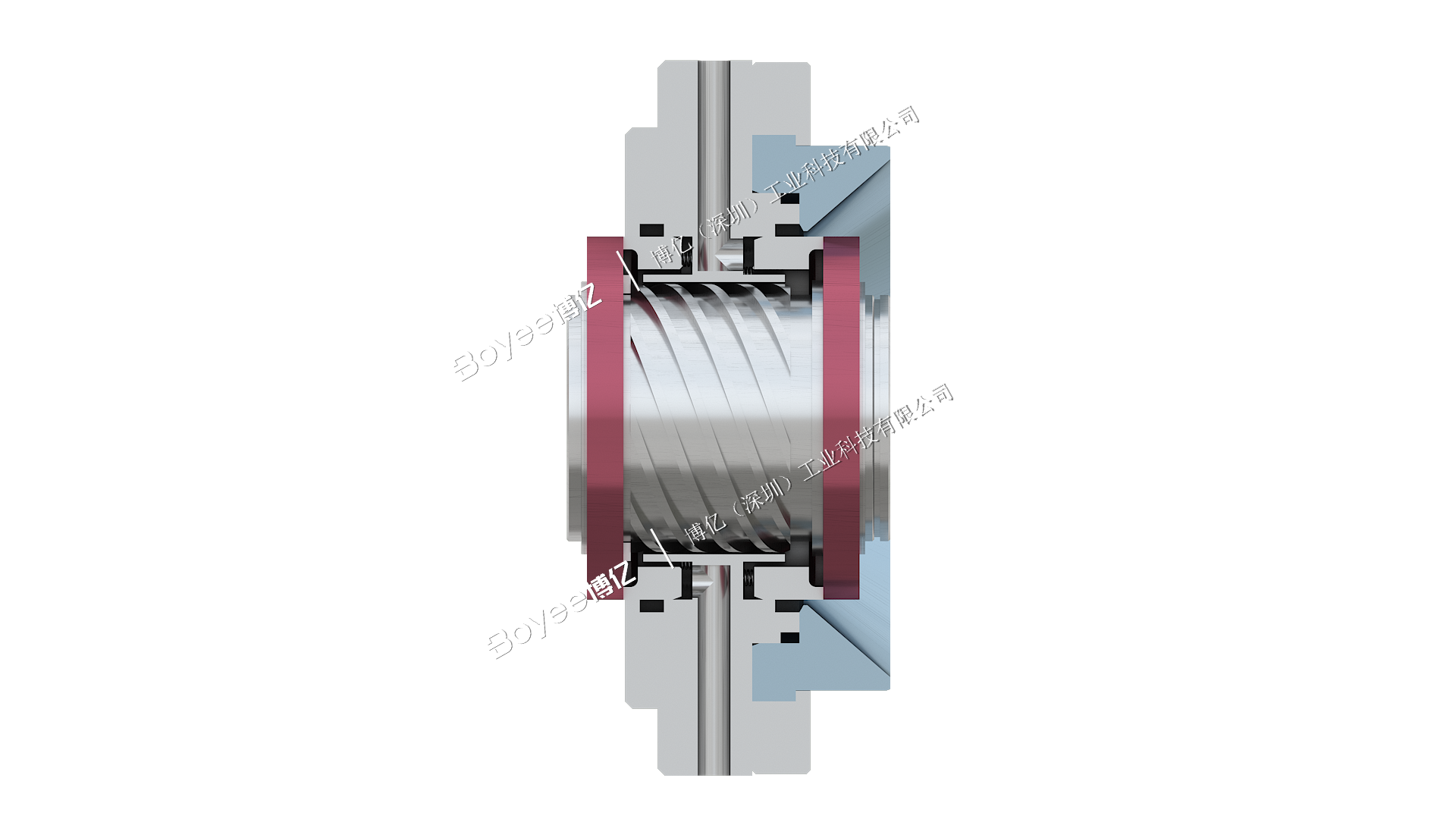
The core function of the mechanical seal is not only to reduce the risk of material entering the drive zone but also to ensure the equipment’s long-term stable operation.
For customers, a reliable sealing system can:
· Reduce the risk of contamination
· Improve equipment operational reliability
· Enhance the predictability of maintenance schedules
· Reduce the risk of unplanned downtime
2. Working Principle of the Boyee Bead Mill’s Double-Face Mechanical Seal
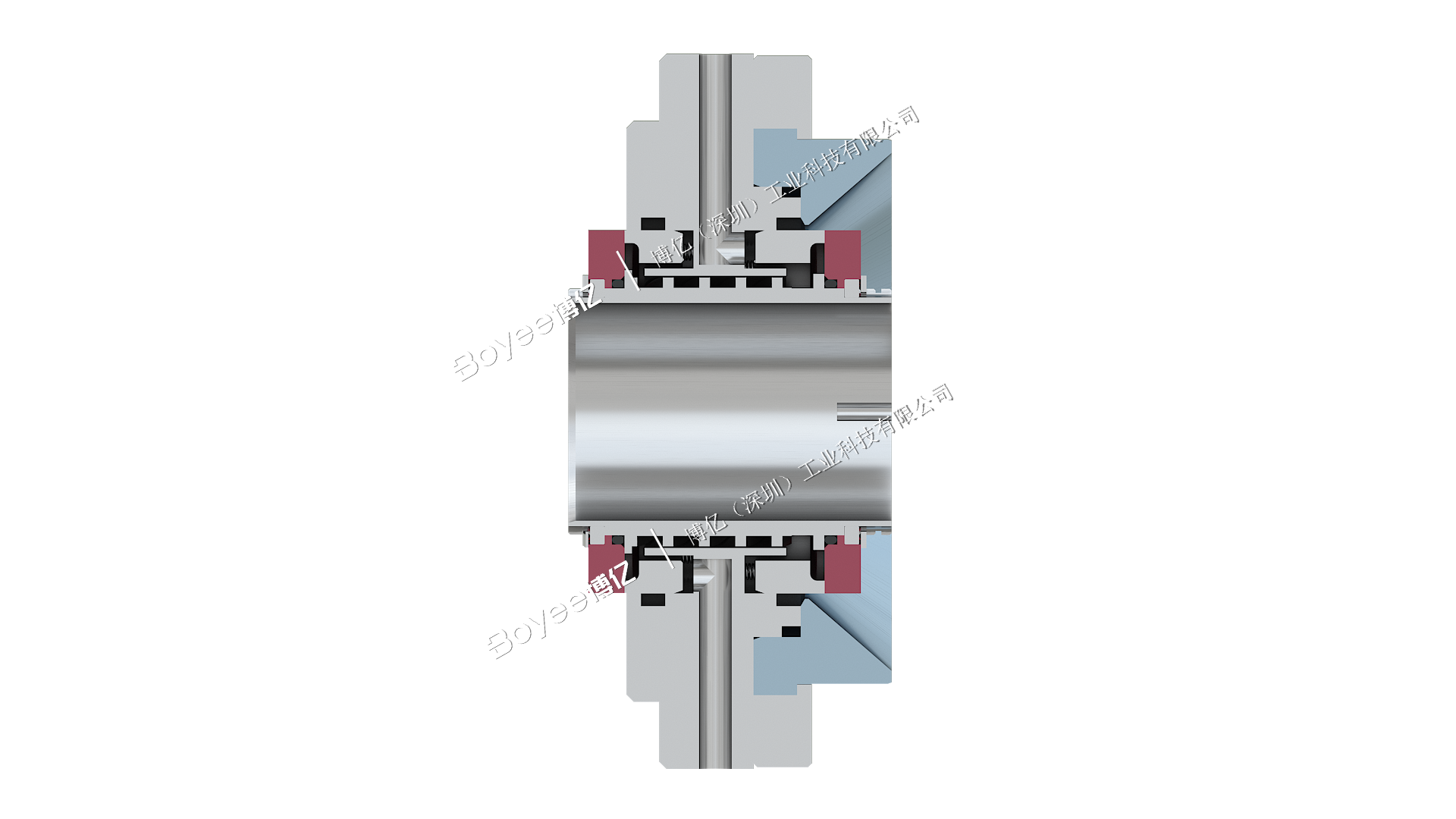
The Boyee bead mill employs a double-face mechanical seal design with a pressurized seal fluid system.
This design consists of:
· Material-side seal assembly
· Atmospheric-side seal assembly
The sealing fluid is filled into the sealing chamber between the two seal faces.
When the sealing fluid pressure is maintained within the specified operating range and remains higher than the maximum process pressure, the system effectively reduces the risk of process material entering the sealing area while providing:
· Lubrication of the seal faces
· Dissipation of frictional heat
· Improved operational stability of the seal
A mechanical seal system primarily consists of:
· Rotating ring
· Stationary ring
· Sealing faces
· Spring mechanism
· Auxiliary seals elements
· Seal fluid circulation system
During equipment operation: the rotating ring rotates with the main shaft, while the stationary ring remains fixed. The two precision-machined sealing faces maintain a stable dynamic sealing interface, ensuring reliable separation between the grinding chamber and drive system.
· Different equipment models and application conditions require different:· Sealing pressure
· Seal fluid type
· Maintenance intervals
Specific requirements must be followed in accordance with the Boyee equipment operating manual.
3. Why is seal fluid so important?
In a double-face mechanical seal system, the seal fluid not only provides isolation but is also serves as a critical medium for ensuring stable seal performance.
1) Isolation of Materials
The seal fluid creates a stable barrier between the process material and the sealing components, reducing the risk of abrasive slurry entering the sealing area.
2) Cooling and Heat Dissipation
During high-speed operation, friction between the sealing faces generates heat. The seal fluid absorbs and removes part of this heat, helping maintain the seal at an appropriate operating temperature.
3) Lubrication and Protection
The sealing fluid forms a stable liquid film between the sealing faces, reducing direct friction, minimizing wear, and enhancing operational reliability. Therefore, the condition of the sealing fluid is a key factor affecting the service life of a mechanical seal.
4. Common Failures of Mechanical Seals and Cause Analysis
1) Contamination of the Sealing Fluid
If the sealing fluid contains solid particles, impurities, or contaminants from the piping system,
this may lead to scratches on the sealing surfaces, breakdown of the lubricating film, increased friction, higher operating temperatures, and reduced sealing performance. Therefore, the sealing fluid must be kept clean and inspected in accordance with maintenance requirements.
2) Abnormal Sealing Pressure
Mechanical seals must be maintained within a reasonable pressure range. Insufficient pressure may reduce the isolation effect and increase the risk of material entering the sealing area. Excessive pressure may increase the load on the sealing faces and accelerate wear. During operation, ensure that the sealing pressure remains stable in accordance with equipment requirements.
3) Operation Without Sealing Fluid
Mechanical seals rely on sealing fluid to create a lubricating environment. If there is insufficient sealing fluid or a fluid shortage in the system, dry friction may occur, leading to a rapid rise in seal temperature, damage to the sealing surfaces, and a reduced service life. Therefore, operation without sealing fluid should be avoided.
4) Improper Installation and Maintenance
Mechanical seals are precision-engineered components. Improper installation or maintenance may significantly affect sealing performance.
During maintenance, attention should be paid to: Avoid reusing old O-rings, prevent contamination of sealing surfaces, select compatible sealing materials, and install components according to specified procedures.
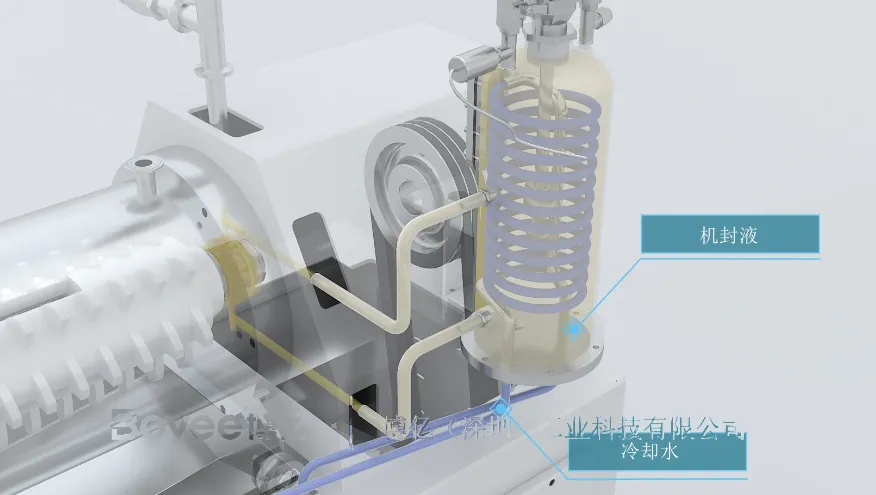
5. Design Advantages of Boyee Bead Mill Mechanical Seals
For demanding grinding applications such as new energy battery materials, electronic ceramics, and inks and coatings, Boyee bead mills feature an optimized seal system designed to meet various process requirements.
1) Double-face pressurized seal structure
The seal fluid circulation system provides stable sealing conditions for high-speed operation.
2) Condition Monitoring Design
Depending on the equipment configuration, the system can monitor seal pressure, seal fluid temperature, and fluid level, helping customers stay informed of operating conditions in real time.
3) Application-Specific Design
Based on the characteristics of different materials and process requirements, Boyee selects suitable seal material combinations to improve equipment reliability and service performance.
(Specific configurations are subject to the equipment model and technical solution.)
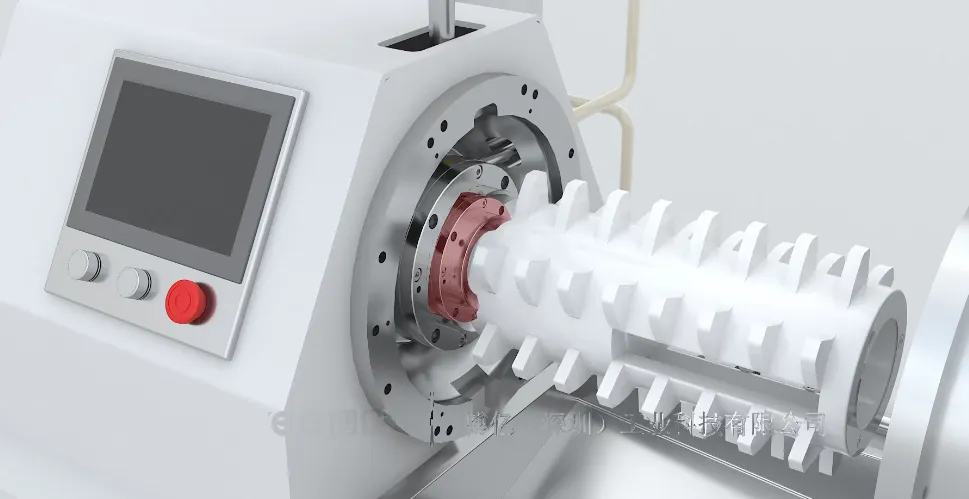
6. Operation, Maintenance, and Inspection of Mechanical Seals
It is recommended to regularly monitor: seal fluid pressure, seal fluid level, seal fluid temperature, and any abnormal leaks. Before equipment start-up, seal replacements, seal fluid replacment, or restarting the equipment after a prolonged shutdown, the following conditions should be confirmed: the fluid level is normal, the pressure is set correctly, air has been completely removed from the system, the piping connections are secured, and the monitoring system is functioning properly.
7. Contact Boyee to get an application-specific solution
Although mechanical seals are just one of the key components in bead mills, their reliability directly affects the equipment’s ability to operate continuously. Boyee focuses not only on grinding efficiency but also on every critical detail contributes to long-term equipment reliability.
From structural design and seal system configuration to operational and maintenance standards, Boyee provides customized mechanical seal solutions tailored to customers’ process requirements.
