
















Solid-state batteries are here—should you wait before buying an electric vehicle? In recent years, with the rapid development of new energy vehicles, solid-state batteries have emerged as a key direction for next-generation power battery technology.
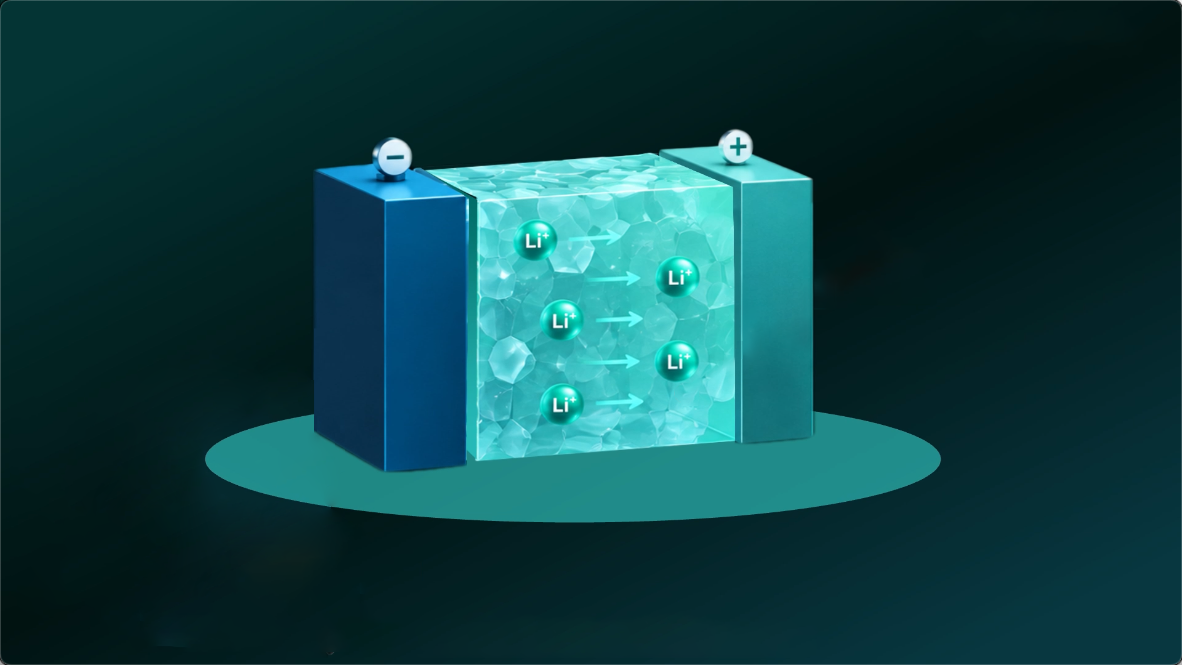
Compared to traditional liquid lithium-ion batteries, solid-state batteries replace liquid electrolytes with solid electrolytes, offering the potential to enhance battery safety, energy density, and high-performance capabilities. They are considered one of the key technological pathways for future power batteries.
Consequently, more and more consumers are asking: “Once solid-state batteries are mass-produced by 2030, will the electric vehicles we buy today become obsolete?”
In reality, the development of new energy vehicle technology is not simply a matter of waiting for a specific new technology to emerge; rather, it is a process of continuous iteration.
1. Why Are Solid-State Batteries Gaining Attention?
Currently, new energy vehicles primarily use liquid lithium-ion batteries. As demands for electric vehicle range, safety, and fast charging continue to rise, traditional battery systems are facing challenges such as limited room for energy density improvement, the need for continuous safety optimization, and difficulties in enhancing fast-charging performance.
Solid-state batteries utilize a solid-state electrolyte system, which can reduce the safety risks associated with traditional liquid electrolytes while opening up new possibilities for designing high-energy-density batteries.
Current key R&D directions in the industry primarily include: oxide solid-state electrolytes, sulfide solid-state electrolytes, and polymer solid-state electrolytes.
Among these, sulfide and oxide systems have become the focus of industry attention due to their high ionic conductivity and application potential.
2. Will solid-state batteries truly become widely adopted by 2030?
Although the industrialization of solid-state batteries continues to advance, several challenges must still be addressed before the technology can transition from the laboratory to large-scale automotive applications.
The main challenges currently include:
1) Difficulties in manufacturing solid-state electrolytes
Solid-state electrolytes must meet the following requirements: high ionic conductivity, high purity, stable consistency, and the capability for large-scale manufacturing. Sulfide-based solid-state electrolytes, in particular, place even higher demands on production environments, water and oxygen control, and process equipment.
2) Issues at the electrode-electrolyte interface
In liquid-state batteries, the electrolyte can fully wet the electrodes. In contrast, solid-state batteries involve solid-solid interface contact. Interface impedance, cycling stability, and long-term reliability are issues that require continuous breakthroughs for industrialization.
3) Large-scale manufacturing processes still need refinement
The journey from experimental samples to automotive power batteries involves: material development → process validation → pilot-scale scale-up → mass production. Each stage requires support from equipment, processes, and manufacturing systems. Therefore, the full-scale commercialization of solid-state batteries will still take time to achieve.
3. Should You Wait for Solid-State Batteries Before Buying an EV?
For consumers, the decision to purchase an EV ultimately depends on their actual needs.
If you currently need an EV for daily commuting, family use, long-distance travel, or to reduce vehicle operating costs, today’s mature EV models can already meet most usage scenarios. At this stage, EV battery technology continues to improve, including lithium iron phosphate batteries, ternary lithium batteries, fast-charging technology, and battery management systems. These technologies will continue to evolve over the next few years.
4. The commercialization of solid-state batteries is not just about material breakthroughs—it’s a competition in manufacturing capabilities.
For solid-state batteries to truly enter mass production, it requires not only the development of new electrolyte materials but also a comprehensive manufacturing system. From the preparation of solid-state electrolytes to powder processing, grinding and dispersion, mixing and processing, and the construction of battery material production lines—all of these steps require advanced equipment.
In response to the industrialization needs of solid-state batteries, Boyee Industrial continues to focus on: oxide solid-state electrolytes, sulfide solid-state electrolytes, new energy material processing technologies, solid-state electrolyte production equipment, and turnkey production line solutions.
Through material processing technologies, equipment manufacturing capabilities, and engineering integration expertise, we are driving advanced materials from experimental validation toward large-scale manufacturing.
5. Future Development Directions for New Energy Vehicles
In the coming years, new energy vehicle technology will continue to follow a multi-path development trajectory: ongoing optimization of existing lithium-ion batteries, gradual adoption of semi-solid-state batteries, continued breakthroughs in all-solid-state battery technology, and ongoing exploration of new material systems.
While solid-state batteries may become a key direction in the future, the development of the new energy vehicle industry will not wait for a single technology to mature before moving forward.
What truly drives industrial progress is the combined advancement of materials, equipment, processes, and manufacturing systems.
For consumers: When purchasing a new energy vehicle today, there is no need to simply wait for solid-state batteries to arrive in 2030.
For the industry: The future of solid-state batteries lies not only in material innovation but also in competition over manufacturing capabilities.
From the R&D of solid-state electrolytes to equipment for large-scale production, Boyee Industrial remains committed to the industrialization of advanced battery materials, providing equipment and engineering solutions for the manufacturing of new energy materials.