
















In contrast, dry-process electrodes eliminate the traditional solvent slurry preparation and drying steps, allowing the powder to undergo the following processes directly: mixing → fibrillation → film formation → calendering → current collector lamination.
While the process appears shorter, the key to industrialization lies not merely in “removing the solvent,” but in how to stably establish the internal structure of the powder and achieve continuous film formation.
1. Mixing and Fiberization: Critical Front-End Steps in Dry-Process Electrodes
The dry-process electrode method first requires the uniform mixing of active materials, conductive agents, and binders.
This process not only focuses on macroscopic mixing uniformity but also requires control over: dispersion state, shear strength, material circulation, temperature rise, and batch consistency. If local agglomeration or uneven component distribution occurs, it will further affect subsequent fiberization and film formation.
Subsequently, under the influence of mechanical shear, friction, and collisions, the fibrillable binder gradually forms a fiber network that connects the active materials and conductive agents, providing the structural foundation for subsequent electrode film formation.
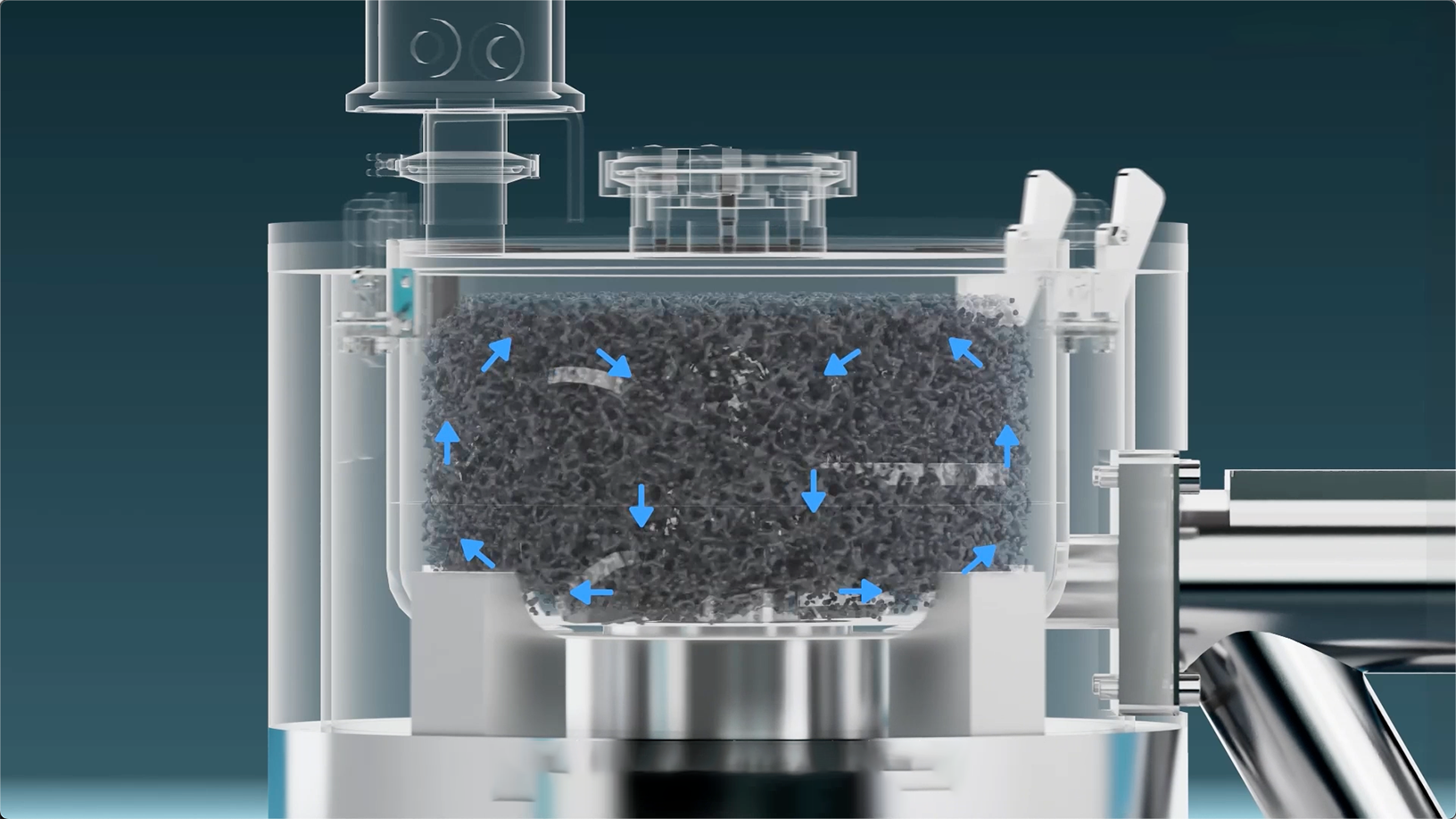
Therefore, fibrillation is not necessarily improved by higher rotational speeds or longer processing times; rather, it requires establishing a process window suitable for the material system, including shear intensity, processing time, temperature control, material flow dynamics, and degree of fibrillation.
2. From Fibrillated Powder to Electrode Sheets
After mixing and fibrillation, the powder enters the film-forming and roll-pressing stages, where the thickness, compaction density, pore structure, and surface uniformity of the electrode film are further controlled.
It is then laminated with current collectors such as copper foil or aluminum foil to form dry-process electrode sheets that are ready for further processing.
Therefore, the industrialization of dry-process electrodes requires not only stable material formulations but also synergy among the powder mixing, fibrillation, film formation, and roll-pressing processes.
3. Scaling Up Dry-Process Electrodes Places Higher Demands on High-Speed Mixing Equipment
Upon transitioning from the laboratory to pilot-scale and mass production, the following issues must be addressed: whether mixing is uniform, whether fibrillation is stable, whether temperature rise is controllable, whether batch-to-batch reproducibility is achievable, and how to ensure the containment and inert atmosphere protection of sensitive materials.
This means that front-end equipment for dry-process electrodes is no longer limited to traditional powder mixers; it must also possess capabilities for mixing, dispersion, shearing, friction, temperature control, and process control.
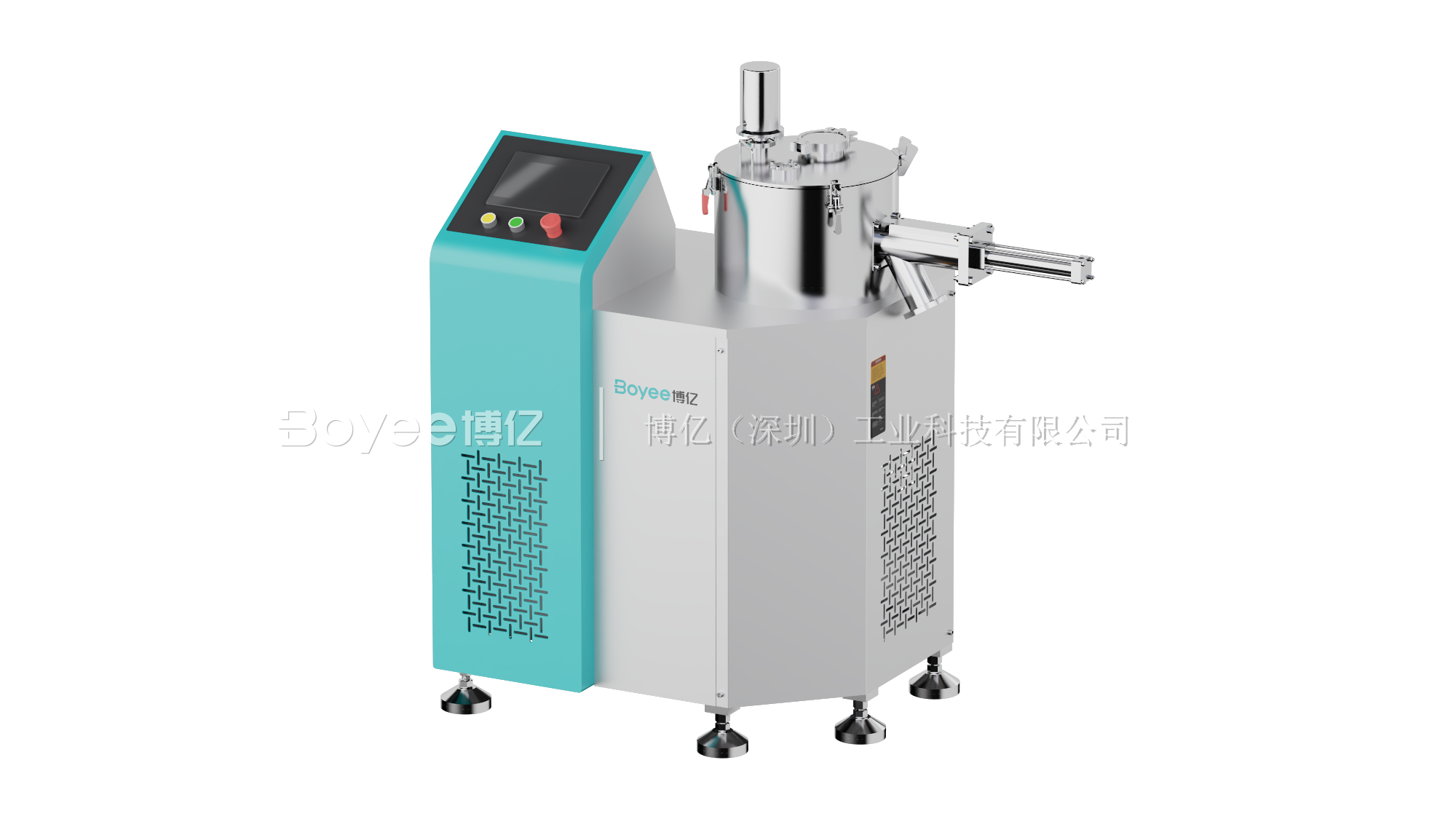
For this process, Boyee’s high-speed mixer employs a three-paddle synergistic structure featuring downward-paddle circulation for feeding and middle- and upper-paddle shearing and dispersion. This design ensures continuous circulation, collision, and shearing of the powder, meeting process requirements such as mixing, grinding, plasticization, and fibrillation.
The equipment supports: multi-speed regulation, vacuum-sealed mixing, inert gas protection, multidimensional temperature control, and process data management.
Equipment and parameters can be tailored to different material systems, throughput, and process requirements, and it is suitable for dry-process electrodes, sulfide solid-state electrolytes, and other sensitive powdered materials.
4. From Experimental Validation to Large-Scale Equipment
The core of the dry-process electrode lies not simply in eliminating the slurry preparation and drying steps, but in shifting part of the structural formation process from the traditional wet method to the stages of powder mixing, binder fibrillation, and mechanical film formation.
What truly determines the stability of industrialization is whether the powders can be mixed uniformly, whether a stable fiber network can be established, whether film formation can operate continuously, and whether experimental parameters can be reliably scaled up.
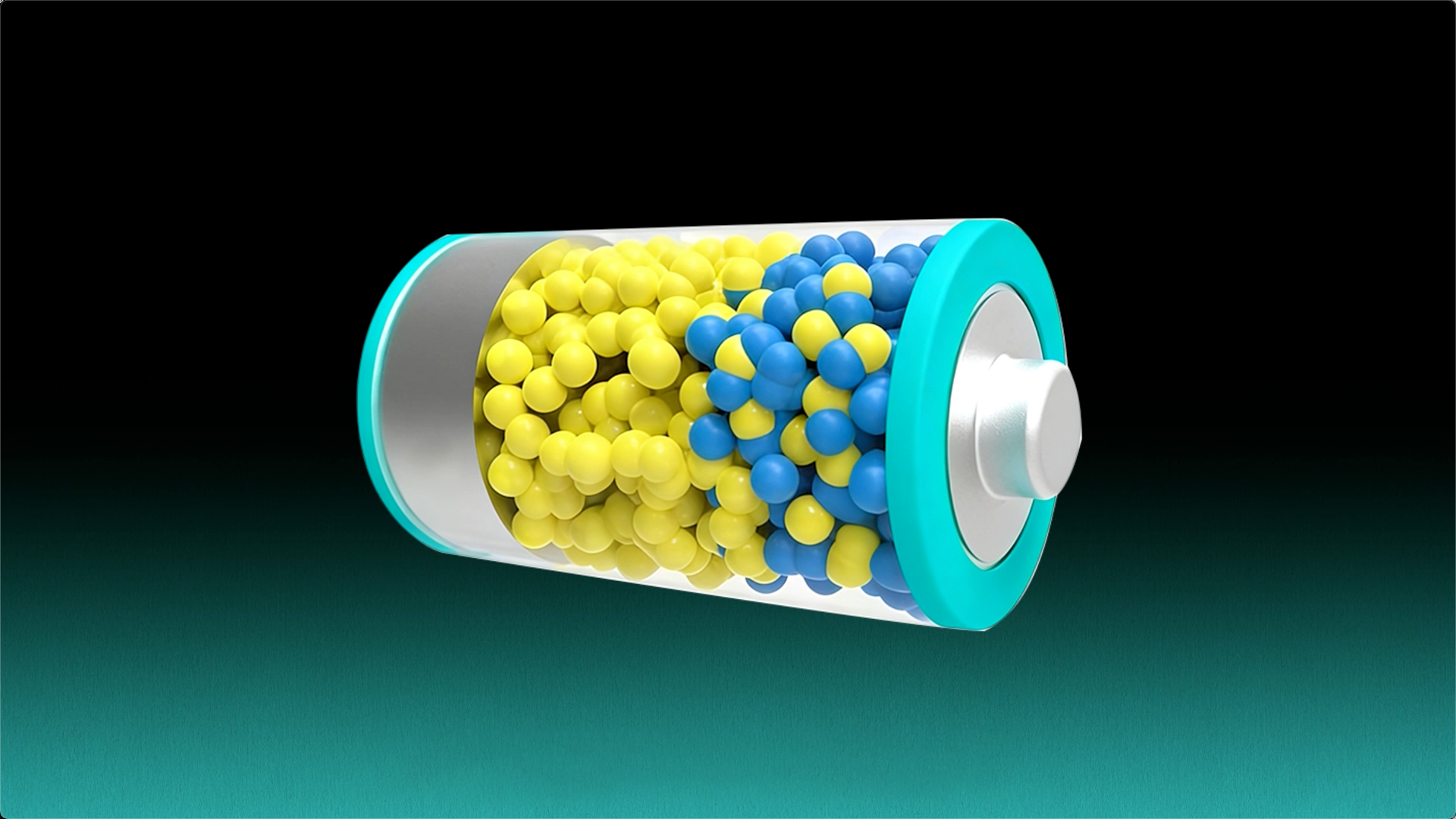
Focusing on the manufacturing of new energy materials, Boyee Industrial continues to expand its portfolio of high-speed mixers, dry-process electrode fiberization equipment, powder processing equipment, automated control systems, and complete production lines, providing engineering support for dry-process electrodes—from experimental validation and process optimization to large-scale production.
The key to dry-process electrodes lies not merely in being “solvent-free,” but in how equipment can reliably establish a powder fiber network and achieve continuous film formation.
