
















What truly makes single-walled carbon nanotubes (SWCNTs) particularly valuable is not just their high electrical conductivity, but the high-aspect-ratio structure allows them to form a continuous conductive network among active material particles at relatively low loading levels.
However, Transition lab-scale material performance into industrial-scale applications still poses key challenges for SWCNTs : stable growth, structural preservation, uniform dispersion, and slurry stability.
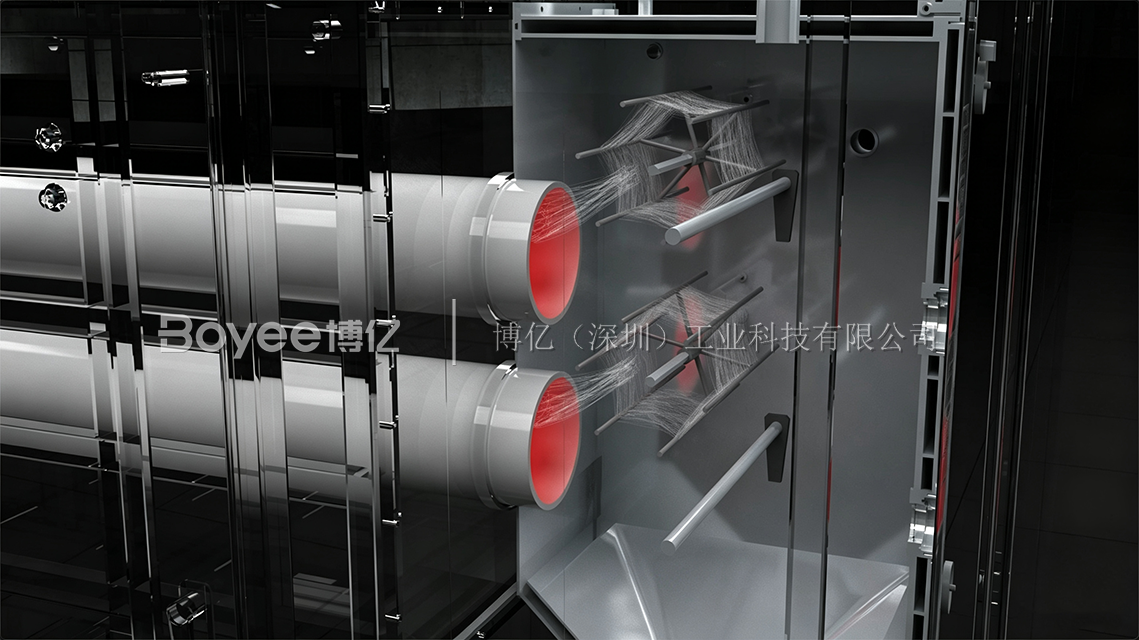
Pictured: Boyi Industrial's FCCVD SWCNT Growth System
1. Continuous FCCVD Growth: Stable Process Control Is Critical
FCCVD (Floating Catalytic Chemical Vapor Deposition) is one of the key technological routes for the continuous production of single-walled carbon nanotubes. Catalyst precursors and carbon sources enter the high-temperature reaction zone, where nanoscale catalytic particles form in the gas phase and keep growing into carbon nanotubes.
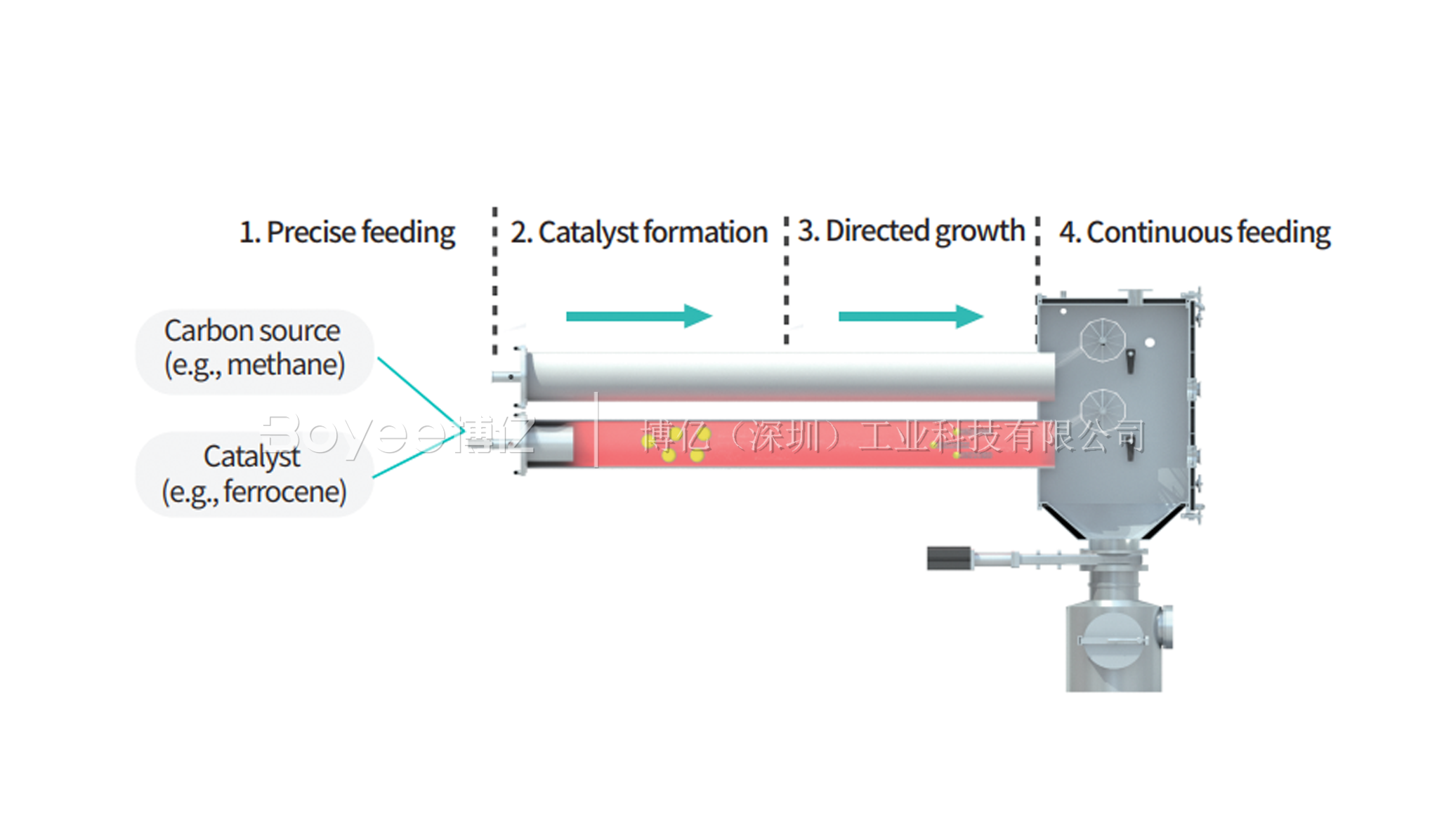
Pictured: Schematic Diagram of the Working Principle of the Boyee Industrial Flotation Process
Industrial-scale production hinges on consistent control over multiple parameters: catalyst condition, feeding stability, reaction temperature, gas flow field and residence time. Therefore, FCCVD equipment for growing single-walled carbon nanotubes is not merely a matter of simple scaling up the furnace body.It requires stable and coordinated operation throughout the entire process: feeding → temperature control→ atmosphere control → reaction → collection.
2. Single-Walled Carbon Nanotube Slurry Preparation: “Finer Is Not Always Better”
SWCNTs tend to form bundles, tangles, and agglomerates. The core of slurry preparation is to break up these agglomerates while preserving the length and structural integrity of the nanotubes. Excessive shearing may fracture nanotubes, undermining their high-aspect-ratio advantage and impeding conductive-network formation. Therefore, conductive slurries for single-walled carbon nanotubes must strike a balance among deagglomeration efficiency, structural preservation, slurry viscosity, and dispersion stability.
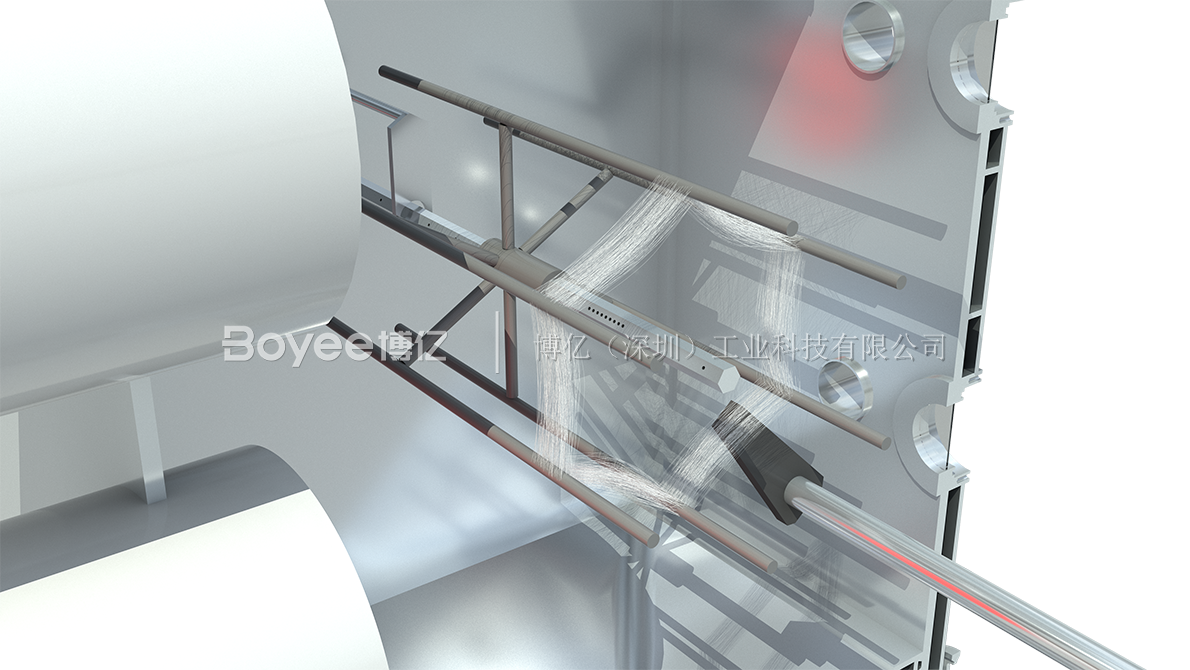
Pictured: Boyi Industrial's FCCVD SWCNT Growth System
For systems such as silicon-based anodes, slurry uniformity and rheological stability are also critical, as these parameters directly affect subsequent coating processes and electrode mircrostructure.
3. From Powder to Slurry: End-to-End Process Integration
The industrialization of single-walled carbon nanotubes does not end with simply “growing” the powder. It encompasses the entire process chain: continuous FCCVD growth → powder processing → feeding → pre-dispersion → fine dispersion → viscosity adjustment → conductive slurry. The quality and structural characteristics of the SWCNT powder directly affect downstream dispersion performance, while excessive dispersion can compromise carbon nanotube structure.
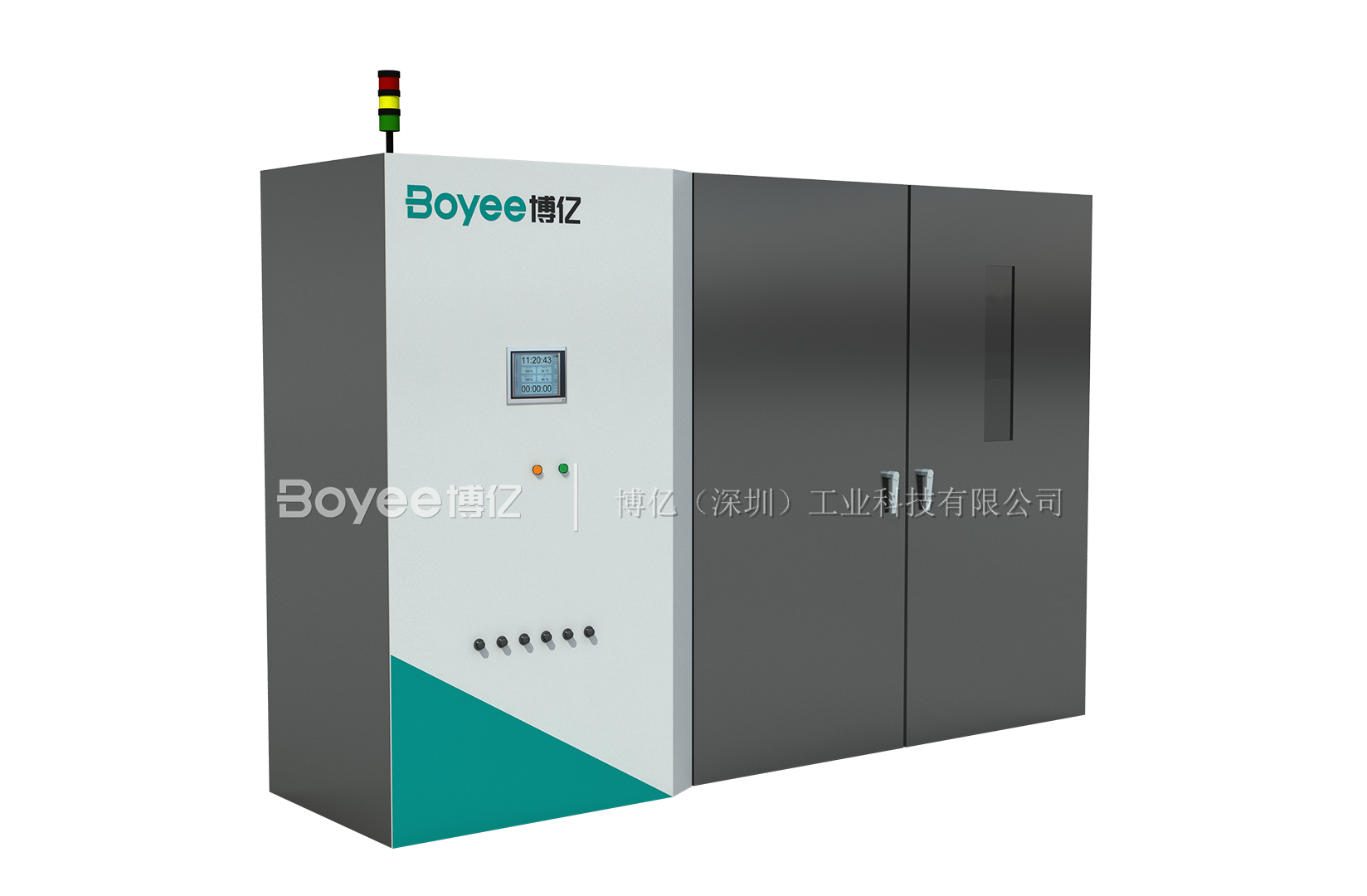
Pictured: Boyi Industrial's FCCVD SWCNT Growth System
True industrialization hinges on the synergy among nanotube-growth processes, structural preservation, dispersion technology, and slurry control.
4. Boyee’s Complete Production Line Solutions for Single-Walled Carbon Nanotubes
Focusing on the industrialization of single-walled carbon nanotubes, Boyee provides core equipment and complete production line solutions covering both continuous FCCVD growth and SWCNT slurry preparation.
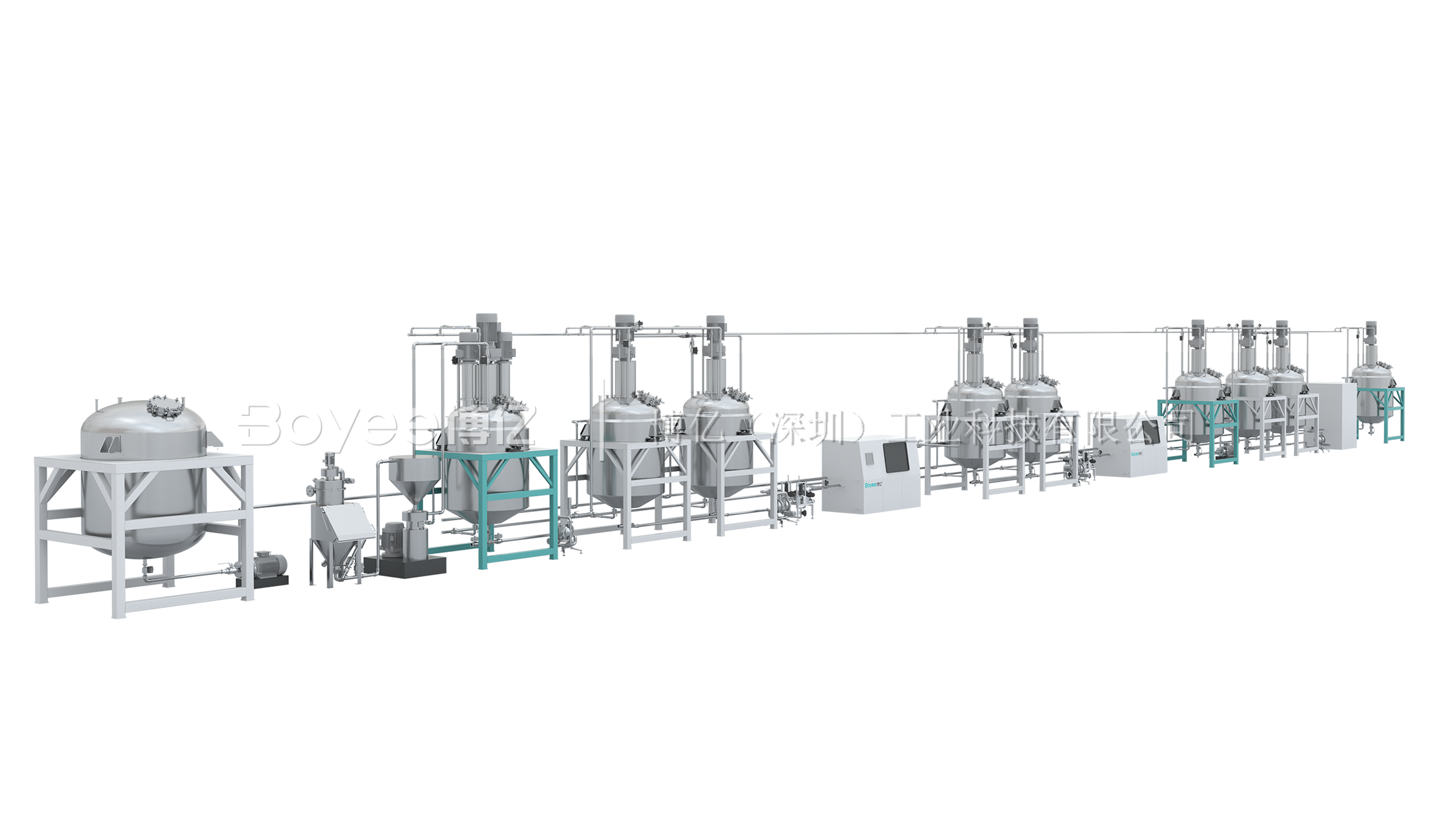
Pictured: Boyi Industrial's SWCNT Slurry Preparation
In the front-end FCCVD growth stage, designs including multi-stage ultrasonic atomization feeding, gas preheating, explosion-proof water-cooled furnace body and continuous material collection enable precise feeding, stable growth, and continuous collection; In the back-end slurry preparation stage, Boyee's process solutions are designed around the inherent characteristics of SWCNTs, including their tendency to agglomerate and form entangled structures, as well as the potential for nanotube damage under excessive shear.The process can incorporate multiple stages, including pre-dispersion, coarse dispersion, fine dispersion, viscosity adjustment. The objective is to achieve an effective balance among dispersion efficiency, nanotube structural preservation, slurry stability, and downstream processability.
Boyee provides equipment and full-line solutions spanning laboratory validation, pilot-scale and full-scale production, driving the industrial application of single-walled carbon nanotubes from powder growth to conductive slurry preparation.
Boyee Industrial provides core equipment and turnkey solutions for single-walled carbon nanotubes, from growth to slurry preparation.